

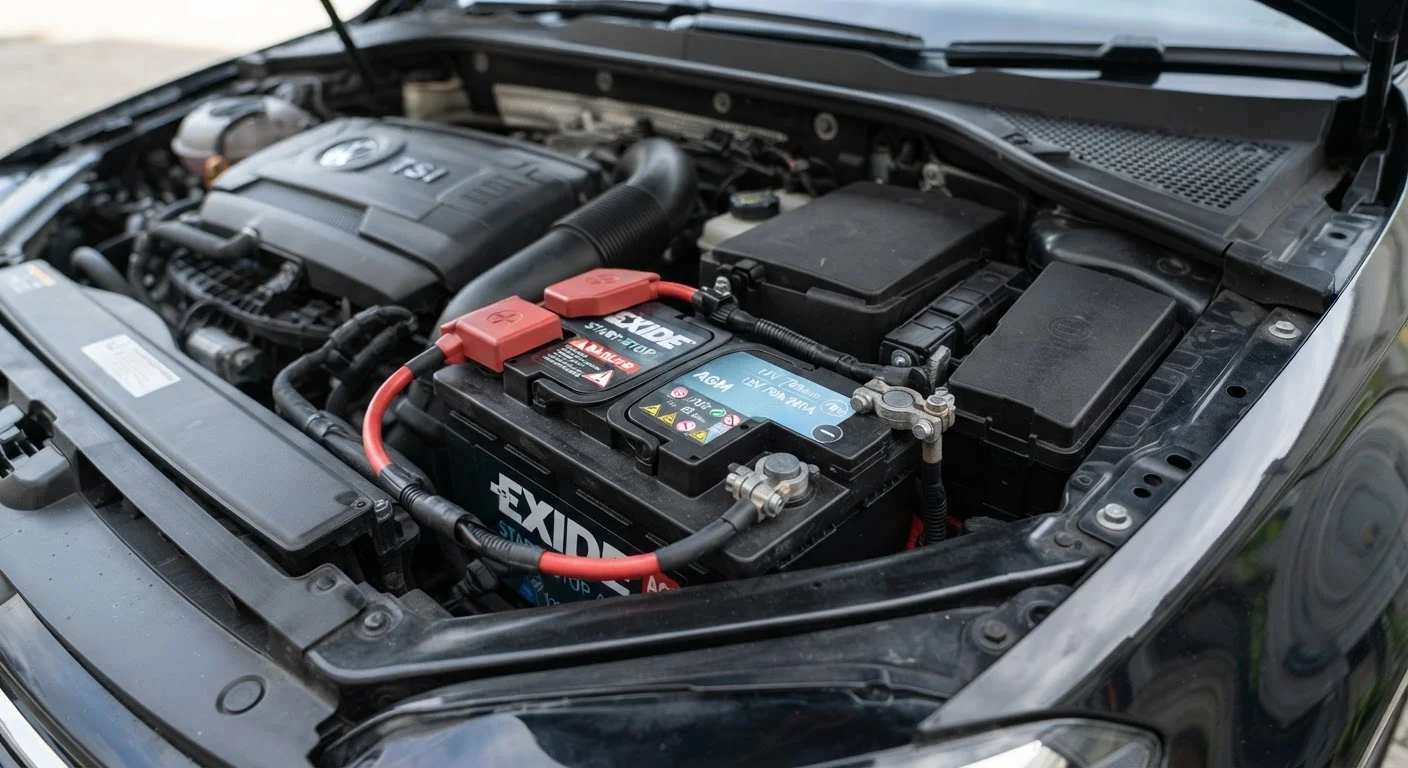
How a Car Battery Actually Works
Your car battery does one main job: deliver a large burst of electrical energy to the starter motor so the engine can turn over. Once the engine is running, the alternator - a generator bolted to the engine - takes over, powering the car's electrical systems and simultaneously recharging the battery.
Most passenger vehicles use a 12-volt lead-acid battery. Inside, lead plates are submerged in a sulfuric acid solution. When you turn the key (or press the start button), a chemical reaction between those plates and the acid generates electricity. Every time the battery discharges and recharges, those plates degrade slightly - which is why batteries don't last forever.
Short, frequent trips are harder on a battery than longer drives. If you rarely drive more than a few miles at a stretch, the alternator doesn't have enough time to fully restore what the battery used to start the car. Over time, this partial charging adds up. It's one reason city drivers sometimes see shorter battery life than highway drivers.
The Alternator vs. the Battery
A common misconception is that a car battery powers the vehicle while it's running. In reality, once the engine starts, the alternator supplies power and recharges the battery. If your alternator fails, your car will run off the battery alone - usually for only 30 to 60 minutes before it dies. A failing alternator can mimic battery symptoms, which is why testing both is important when diagnosing starting problems.
How Long Should You Expect a Battery to Last?
The industry rule of thumb is 3 to 5 years for a standard lead-acid car battery, though that window varies based on where you live and how you drive. Climate is one of the biggest factors - and not in the way most people assume.
3-5 years
Average car battery lifespan
This is the commonly cited range from automotive industry sources, with variation based on climate, vehicle type, and driving habits.
33%
Reduction in battery output at 0°F vs. 80°F
Cold temperatures significantly reduce a lead-acid battery's ability to deliver power, according to battery industry testing standards.
~2x
Faster battery degradation in hot climates
Batteries in hot-weather regions like the American Southwest often reach end-of-life closer to 3 years compared to moderate climates.
Heat is actually harder on batteries than cold. High temperatures speed up the internal corrosion of lead plates and cause electrolyte fluid to evaporate, reducing capacity over time. Cold weather, on the other hand, slows the chemical reaction so the battery has to work harder in the moment - but it's usually the cumulative summer damage that causes a winter failure.
For more on how seasonal extremes affect your vehicle overall, see our guide to seasonal car care. As part of general car ownership basics, having your battery tested annually after year three is a straightforward way to stay ahead of problems.
Warning Signs Your Battery Is Struggling
Batteries rarely quit without warning. The signals just tend to be easy to ignore - until they're not.
- Slow cranking: The engine turns over sluggishly or takes longer than usual to start. This is often the clearest early signal.
- Dimming headlights: Lights that appear noticeably weaker, especially at idle, suggest the battery isn't holding a full charge.
- Battery warning light: This dashboard indicator can signal either a failing battery or a problem with the alternator or charging system.
- Electrical gremlins: Intermittent issues with power windows, radio, or interior lights can point to an unstable power supply.
- Swollen battery case: Excessive heat can cause the battery casing to bulge. If you see this, have it inspected - don't attempt to handle a damaged battery yourself.
- Rotten-egg smell: A sulfur odor near the battery can indicate it's overcharging or leaking. This warrants immediate attention from a mechanic.
Get a Free Battery Test Before Winter
Many auto parts retailers offer free battery load testing - a quick check that measures how much capacity your battery actually has under demand. This takes about five minutes and gives you real data rather than a guess. Testing in early fall, before cold weather increases starting demands, is particularly useful if your battery is more than three years old.
What Drains a Battery and How to Protect It
Beyond age and heat, certain habits accelerate battery drain. Leaving interior lights, phone chargers, or accessories plugged in when the engine is off draws power continuously. Even modern vehicles with keyless entry have small parasitic draws - the electronics that monitor for the key fob, for instance - but these are designed to be minimal.
If you store a vehicle for weeks at a time without driving it, the battery can self-discharge to a point where it won't start the car. A trickle charger (also called a battery maintainer) connected to a household outlet can keep a stored vehicle's battery at a healthy charge level without overcharging it.
Corrosion on the terminals - that white or bluish crust you sometimes see - increases electrical resistance and can mimic the symptoms of a failing battery. Cleaning terminals is a task many people can do safely with basic precautions, but if you're unsure, a mechanic can handle it quickly during a routine service visit.
Frequently Asked Questions
Most car batteries last between 3 and 5 years. Factors like extreme temperatures, frequent short trips, and leaving electronics on when the engine is off can shorten that lifespan. Getting your battery tested annually after the three-year mark is a smart habit.
Common early warning signs include slow or sluggish engine cranking when you turn the key, headlights that appear dimmer than usual, and a battery warning light on the dashboard. A swollen battery case or a rotten-egg smell near the engine can also signal a problem.
Cold weather does make it harder for a battery to deliver power because chemical reactions slow down at low temperatures. However, heat is actually more damaging over time because it accelerates internal corrosion and electrolyte evaporation. Batteries weakened by summer heat often fail when winter cold puts extra demand on them.
Jump-starting is generally safe when done correctly - connecting positive to positive and negative to a grounded metal surface (not the dead battery's negative terminal). Modern vehicles with lots of electronics can be sensitive, so consulting your owner's manual first is worthwhile. If in doubt, roadside assistance is a safer option.
The alternator is a generator driven by the engine that recharges the battery while you drive. It also powers your car's electrical systems so the battery doesn't have to. If your alternator fails, your battery will drain quickly even if the battery itself is in good shape.
Absolutely. Many auto parts stores test batteries at no charge using a simple load tester. Testing gives you a clear picture of remaining capacity before you end up stranded. It takes just a few minutes and is especially worthwhile before winter or a long road trip.
The content on this site is for informational purposes only and is not a substitute for professional advice. Always consult a qualified professional for guidance specific to your situation.