

Why a Coverage Gap Exists in the First Place
The moment you drive a new car off the lot, it loses value — sometimes by as much as 10% immediately and 20% or more within the first year. Your loan balance, however, doesn't drop nearly as fast, especially in the early months when most of your payment goes toward interest rather than principal.
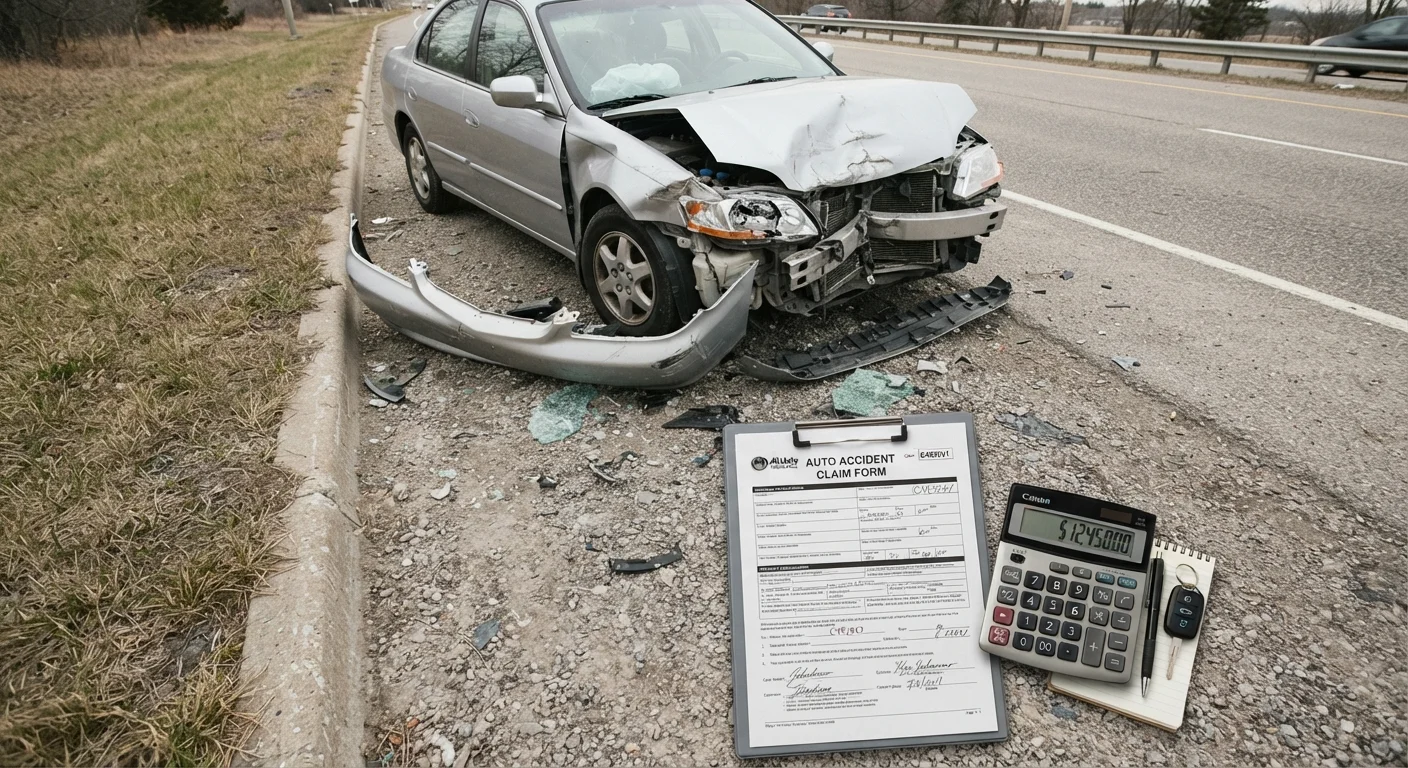
If your car is totaled or stolen, your standard collision or comprehensive policy pays out the car's actual cash value (ACV) — what the vehicle is worth on the open market at that moment. If you owe $28,000 on your loan but the car is only worth $22,000, your insurer cuts a check for $22,000. That leaves a $6,000 gap you're responsible for — even though you no longer have the car. Gap insurance exists specifically to cover that $6,000 shortfall.
~20%
Average new car depreciation in year one
Industry estimates consistently show new vehicles lose roughly 15–20% of their value within the first 12 months of ownership.
30%+
Depreciation within first three years
Many vehicles lose nearly a third of their original value within three years, according to widely cited automotive industry data.
72–84 months
Common long-term auto loan lengths
Extended loan terms have become increasingly common and significantly increase the period during which a driver may be underwater on their vehicle.
Who Gap Insurance Is Most Relevant For
Not every driver needs gap coverage. It's most worth considering when your loan balance is likely to exceed your car's value for an extended period. That tends to happen in these situations:
- Small or no down payment: Starting with little equity means you're underwater from day one.
- Long loan terms (72 or 84 months): Extended terms keep your balance high while the car depreciates quickly.
- Leasing: Many lease agreements require gap coverage, and you typically carry no equity in the vehicle.
- High-depreciation vehicles: Some makes and models lose value faster than average.
- Rolling negative equity: If you folded an existing loan's unpaid balance into a new car loan, your starting balance is already above the car's value.
Understanding the right level of auto coverage for your situation is the first step — gap insurance is one piece of a broader coverage picture.
Check Your Loan Balance Before Buying Gap Coverage
Before purchasing gap insurance, request your loan payoff amount and compare it to your vehicle's current market value. If your balance already exceeds the value, gap coverage is likely worth it. If you have significant equity, you may not need it at all. Reassess annually as you pay down the loan.
What Gap Insurance Does — and Doesn't — Cover
Gap insurance is narrowly defined. It covers the financial shortfall between your ACV payout and your remaining loan or lease payoff only when your primary insurer has declared the vehicle a total loss. Common qualifying events include at-fault accidents, collisions where the other party is uninsured, and theft where the vehicle is not recovered.
What gap insurance typically does not cover:
- Missed or late loan payments prior to the loss
- Extended warranties or add-on products rolled into your loan
- Mechanical failure or wear and tear
- Losses where your primary insurer denies the collision or comprehensive claim
Because gap coverage depends entirely on your primary insurer paying out first, you must carry both collision and comprehensive coverage to benefit from gap insurance. If you only have liability coverage, gap insurance won't help you. For a broader look at how insurance products work across different contexts, see our overview on what travel insurance actually covers — the same principle of reading the exclusions carefully applies everywhere.
Gap Coverage and Your Primary Policy Work Together
Gap insurance is not a standalone replacement for comprehensive and collision coverage — it only pays after your primary insurer has settled a total-loss claim. If your primary insurer denies the underlying claim, gap insurance will not step in. Make sure your full coverage policy is active and in good standing whenever gap coverage is part of your plan.
Where to Buy It and When to Drop It
Gap insurance is available from three main sources: your auto insurer, a dealership, or a bank or credit union. Buying through your existing insurer tends to be the most straightforward option — it's typically added as an endorsement to your current policy, and you can cancel it when it's no longer needed. Dealership gap products are often bundled into your financing, which means you're paying interest on the premium over the life of the loan.
The right time to drop gap coverage is when your loan balance falls below your car's estimated market value. You can get a rough sense of your car's current value through publicly available vehicle valuation tools and compare it against your loan payoff statement. Once you have positive equity — meaning you own more in value than you owe — gap coverage no longer serves a practical purpose.
This article is for general informational purposes only and is not personalized financial or insurance advice. Coverage terms, eligibility, and pricing vary by insurer and state. Consult a licensed insurance professional for guidance specific to your situation.
Frequently Asked Questions
No state requires gap insurance by law. However, some lenders or leasing companies may require it as a condition of financing. Always check your loan or lease agreement to be sure.
Some gap policies include deductible coverage; others do not. Read your policy carefully. A few insurers offer a separate deductible waiver add-on if that's a priority for you.
Yes. Once your loan balance is at or below the car's current market value, you can cancel gap coverage and potentially receive a prorated refund. Contact your insurer or lender to start that process.
No. Gap insurance only applies when a vehicle is declared a total loss by your primary insurer — typically after a covered accident or theft. It does not cover repairs, breakdowns, or other losses.
Pricing varies, but purchasing through your existing auto insurer is generally more affordable than adding it through a dealership. Dealership gap products are often rolled into the loan, meaning you pay interest on them too.
Gap coverage lasts as long as you maintain it and there is still a gap between what you owe and what the car is worth. Many drivers drop it once they've paid the loan down enough that the car's value exceeds the balance.
The content on this site is for informational purposes only and is not a substitute for professional advice. Always consult a qualified professional for guidance specific to your situation.