

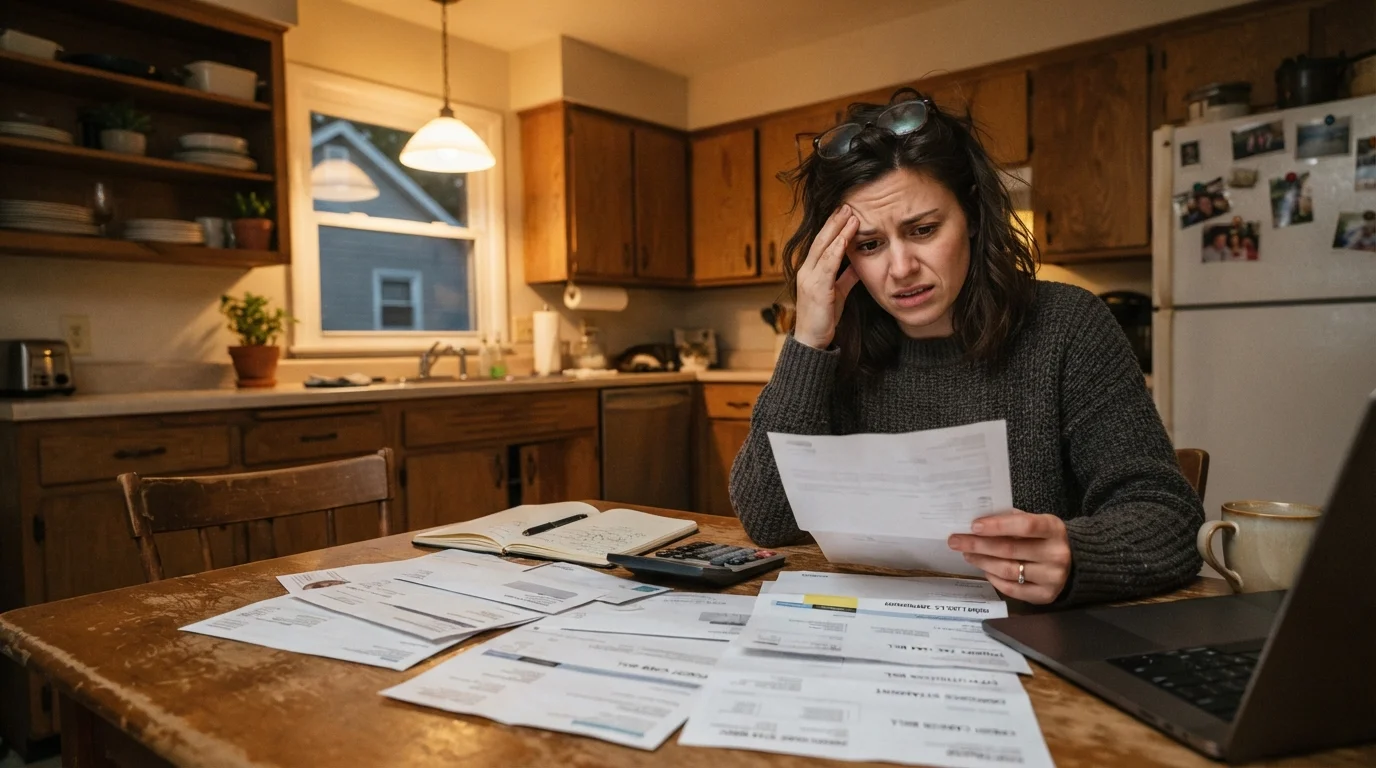
The Gap Between What You're Approved For and What Ownership Actually Costs
Buying a home is one of the most significant financial decisions most Americans will make — yet a large portion of first-time buyers enter ownership without a clear picture of their true monthly and annual expenses. The mortgage payment dominates the conversation, but it represents only a portion of what homeownership actually demands each month.
Property taxes, homeowners insurance, HOA fees (where applicable), utilities, and routine upkeep all land in the homeowner's lap the moment the deed transfers. If you're still building your understanding of what the full purchase involves, our breakdown of costs beyond the purchase price walks through the major line items buyers frequently underestimate.
Your Mortgage Approval Is Not Your Budget
Lenders approve borrowers based on debt-to-income ratios, not on what's comfortable to live with month-to-month. Being approved for a $350,000 loan does not mean $350,000 is the right purchase for your financial situation. Factor in property taxes, insurance, maintenance, and utilities before deciding what you can truly afford. This is general financial information — consult a licensed financial professional for guidance specific to your circumstances.
Understanding the gap between pre-approval and true affordability is the first step toward avoiding financial strain in year one and beyond.
Common Mistakes New Homeowners Make — and How to Avoid Them
The errors below aren't signs of carelessness — they reflect how the homebuying process is structured and what information gets emphasized versus buried. Recognizing these patterns early gives new owners the chance to course-correct before they become costly.
Focusing only on the monthly mortgage payment when budgeting for homeownership.
Why it happens: Mortgage calculators and lender pre-approval letters emphasize principal and interest, which is what buyers tend to shop around. Property taxes, homeowners insurance, and potential HOA fees are often treated as afterthoughts.
Underestimating ongoing maintenance and repair costs.
Why it happens: New homeowners often have a strong emotional attachment to the purchase and assume problems will be minor or infrequent. Those coming from rentals are used to calling a landlord, not writing a check.
Skipping or minimizing a professional home inspection to speed up closing.
Why it happens: Competitive markets create pressure to waive contingencies. Buyers may assume that a new or well-maintained-looking home doesn't need scrutiny.
Ignoring the impact of property tax reassessment after purchase.
Why it happens: Many buyers look at the previous owner's tax bill without realizing that in many states, a sale triggers a reassessment at or near the new purchase price.
Deferring maintenance to save money in the short term.
Why it happens: After a large down payment and closing costs, cash reserves are thin. New owners prioritize cosmetic upgrades they can see over mechanical or structural needs that feel abstract.
1–2%
Annual home maintenance budget as share of home value
Financial planning guidelines commonly recommend setting aside 1–2% of a home's purchase price each year to cover routine maintenance and unexpected repairs.
~$18,000
Estimated average annual cost beyond mortgage for U.S. homeowners
Research from Bankrate and related housing cost analyses has estimated that taxes, insurance, utilities, and maintenance add roughly $15,000–$18,000 per year on top of mortgage payments for a typical U.S. home.
For a broader look at what first-time buyers are navigating before they even get to the ownership stage, our start-to-finish guide for first-time buyers covers the full purchase journey. And if down payment assumptions are shaping your budget, common down payment myths are worth examining before you finalize your numbers.
Building Habits That Protect Your Investment Long Term
Avoiding early mistakes sets the foundation, but sustaining homeownership well means developing consistent habits around maintenance, budgeting, and periodic review. Equity doesn't grow automatically — it's supported by upkeep, smart financial management, and staying informed about your property's status.
Once you've settled in, an annual property ownership audit can help you stay current on insurance coverage, tax exemptions, and deed accuracy — details that are easy to overlook after the excitement of closing fades. Over the longer term, evidence-backed habits that build and preserve equity offer a roadmap for protecting what is likely your largest financial asset.
Don't Let Thin Cash Reserves Catch You Off Guard
Many first-time buyers exhaust savings on the down payment and closing costs, leaving little cushion for immediate repair needs. Experts generally recommend maintaining three to six months of housing expenses in reserve alongside a dedicated home maintenance fund. Going into ownership without either is one of the most common setups for financial stress in the first year.
New homeownership is a learning curve, but it's one that rewards preparation. The buyers who build realistic budgets, schedule regular maintenance, and stay engaged with their property's financial health are far better positioned to enjoy — and benefit from — their investment over time.
The content on this site is for informational purposes only and is not a substitute for professional advice. Always consult a qualified professional for guidance specific to your situation.