

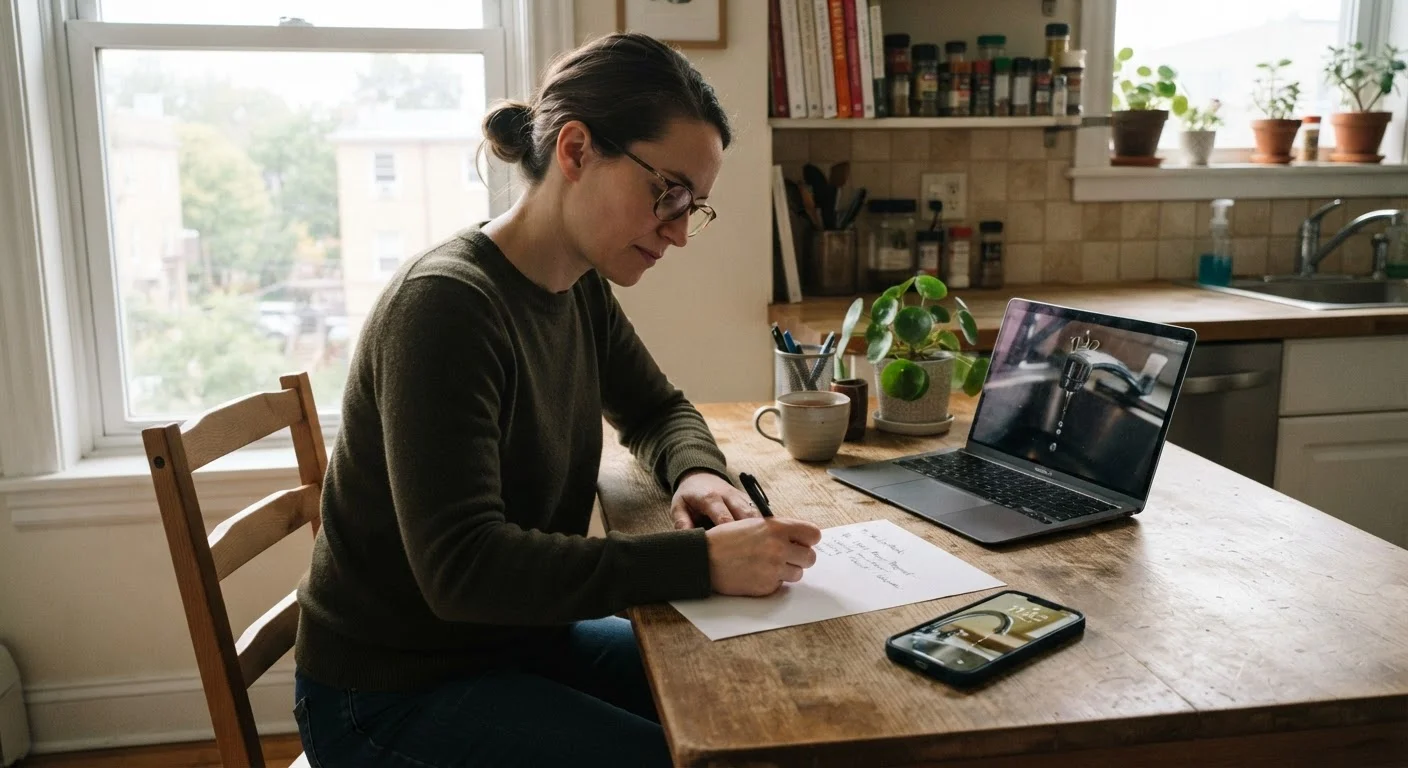
Why Written Requests Change the Outcome
Verbal maintenance complaints are the most common way renters report problems — and the least effective way to get them resolved. Without a written record, a landlord can plausibly claim they never received the complaint, misunderstood the severity, or were waiting on clarification. A written request eliminates that ambiguity.
Landlord-tenant law in most U.S. states requires landlords to maintain rental units in a habitable condition, but enforcement hinges on documentation. Courts and housing authorities look for evidence that the tenant notified the landlord and that the landlord had a reasonable opportunity to respond. A timestamped email or certified letter satisfies that standard; a hallway conversation does not.
Written requests also change landlord behavior. Property managers who receive informal verbal complaints may deprioritize them. A written request with photos, a clear description, and a request for confirmation signals that the tenant understands their rights — and that signal alone often accelerates action.
What you will need
How to Submit a Maintenance Request That Gets Results
The steps below walk you through the full process — from documenting the issue to escalating if repairs stall. You don't need legal expertise to do this effectively; you need clarity, consistency, and a habit of keeping records.
Email account
Send a timestamped, written maintenance request that creates an automatic record of delivery.
Smartphone camera
Capture dated photos and video evidence of the maintenance issue before and after repairs.
Certified mail service
Provides delivery confirmation for written requests sent to landlords who don't use email.
Cloud storage or folder
Organize and preserve copies of all communications, photos, and landlord responses.
Document the problem thoroughly before contacting anyone
Before writing a single word to your landlord, spend five minutes gathering evidence. Take clear photos and, if useful, a short video of the issue. Make sure your device's date and time stamp is accurate — this metadata can matter if the issue escalates. Note when you first noticed the problem and whether it has worsened over time.
Review your lease for maintenance reporting procedures
Many leases specify how and where repair requests must be submitted — some require use of an online portal, others list a property manager's contact separate from the owner. Using the wrong channel can delay your request or create ambiguity about whether it was officially received. If your lease contains vague or one-sided terms, the traps hidden in standard rental contracts article covers what to watch for.
Write a clear, factual request in plain language
Your written request should include: your name and unit address, the date, a specific description of the problem (location in the unit, what you observed, when it started), and a direct request for repair. Avoid emotional language or ultimatums — a professional tone is more effective and harder to dismiss. Here's a basic structure:
- Subject line: Maintenance Request – [Your Address, Unit #] – [Issue]
- Body: State the problem factually, note when it began, attach your photos, and request a response within a reasonable timeframe.
- Closing: Ask the landlord to confirm receipt and provide an estimated repair date.
Send via email and retain a copy immediately
Email is the most practical channel for most renters: it timestamps your message automatically, confirms delivery to the recipient's inbox, and keeps a retrievable copy on both ends. Send to the address specified in your lease. If your landlord only accepts written correspondence, send via certified mail with return receipt requested — this provides legal proof of delivery.
Follow up in writing if you don't receive a timely response
If you haven't heard back within 48–72 hours for urgent issues, or within 7–10 days for non-urgent ones, send a follow-up email that references your original request by date. Keep the tone professional. For communicating with your landlord in ways that prevent disputes long-term, consistent written follow-up is one of the most effective habits you can build.
Escalate through proper channels if repairs are ignored
If your landlord fails to act on a legitimate repair request, you have structured options. Contact your local housing or building department to request an inspection — an official violation notice carries weight that a tenant complaint alone may not. Many cities and counties have tenant rights hotlines that offer free guidance. Document every step you take, including the dates and outcomes of any calls or inspections.
Don't Withhold Rent Without Legal Guidance
Some states allow rent withholding or rent escrow when landlords fail to make essential repairs, but the process is strictly regulated. Withholding rent without following the proper legal procedure can result in eviction, even when you're in the right. Consult a local tenant rights organization or housing attorney before taking that step.
Keep a Dedicated Maintenance Log
Create a simple folder — digital or physical — where you store every maintenance request, landlord response, and photo. If a dispute ever reaches a housing court or affects your security deposit, this paper trail is your strongest asset. Date every entry.
Habitability Issues Require Urgent Action
Problems affecting health and safety — such as no heat, mold, sewage backups, or gas leaks — are typically classified as habitability violations under most state landlord-tenant laws. These are not routine repair requests. Document them immediately, notify your landlord in writing the same day, and contact your local housing authority if you don't receive a timely response. In a gas or carbon monoxide emergency, leave the property and call emergency services first.
The content on this site is for informational purposes only and is not a substitute for professional advice. Always consult a qualified professional for guidance specific to your situation.