

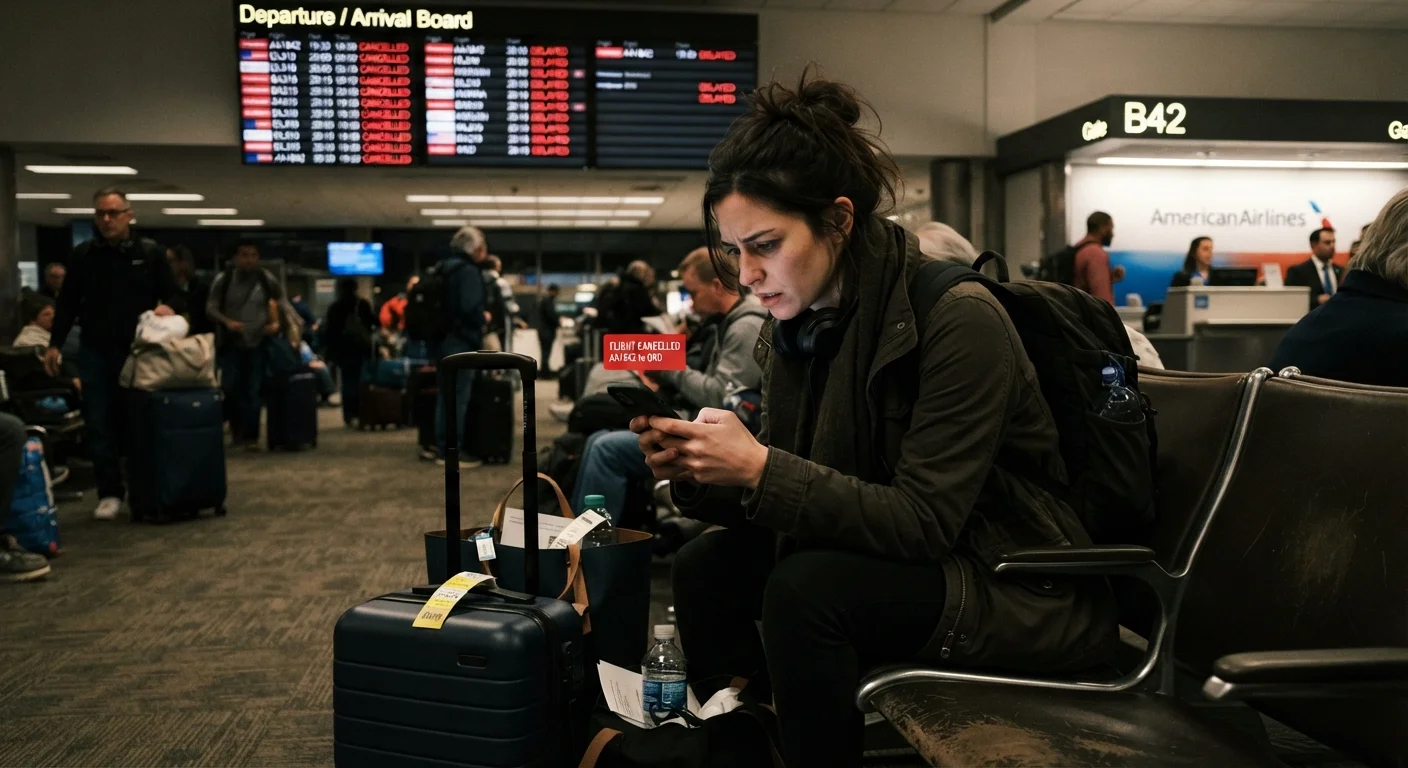
The Real Reason Trips Unravel
Most travel disasters don't announce themselves. They build quietly in the weeks before departure — an unconfirmed reservation here, an overlooked document there — and then explode spectacularly on the morning you're supposed to leave. The good news: the majority of last-minute trip failures are entirely preventable once you know what to watch for.
Whether you're heading across the country or flying internationally, the same handful of planning gaps trip up travelers again and again. Understanding why they happen is the first step to making sure they don't happen to you. For a broader look at building adaptable plans, see our guide to building flexibility into your travel plans.
Never re-confirming reservations before departure.
Why it happens: Once a booking confirmation email arrives, travelers assume the job is done. Systems glitch, properties change ownership, and reservations do get lost — especially with third-party booking platforms.
Ignoring entry and identification requirements until the last moment.
Why it happens: Travelers focus on destination highlights and assume the paperwork side is straightforward, especially for domestic or familiar international routes. Requirements change more often than most people expect.
Leaving ground transportation entirely unplanned.
Why it happens: Flights and hotels dominate the booking mindset; the logistics of actually getting from the airport to your hotel — or between destinations — feel like details to sort out later.
Skipping travel insurance or misreading what it covers.
Why it happens: Insurance feels like an optional add-on when everything looks fine, and policies are dense enough that most people don't read them carefully until they need to file a claim.
Building an itinerary with zero buffer time.
Why it happens: The excitement of planning leads to filling every slot, and it's genuinely hard to predict how long transit, check-in, or activities will take in an unfamiliar place.
Habits That Keep Your Trip on Track
Preventing last-minute chaos isn't about over-planning every hour — it's about building a few consistent habits into your preparation process. The most effective travelers treat their trip like a project with checkpoints, not a single to-do list assembled the night before.
Don't Rely Solely on Email Confirmations
A confirmation email is a record of your transaction — it is not a guarantee your booking is actively held in a vendor's system. Overbookings, software errors, and cancellations from the provider's side can all occur without notification reaching you in time. Always verify critical reservations directly, especially for accommodations and car rentals, before you leave home.
Start with a master document that holds every confirmation number, contact, and itinerary detail in one place — a shared note, a simple spreadsheet, or a travel app all work. Set a calendar reminder 72 hours before departure to verify each booking is live, that your ID or passport is valid for the full duration, and that you have a plan for getting from the airport to your accommodation.
Ground transportation is one of the most frequently forgotten logistics. Hotels, rental car pickups, and transit schedules deserve as much attention as your flight booking. If you're traveling with others, the coordination layer adds real complexity — our group trip planning guide walks through keeping multi-person logistics manageable without it consuming your life.
Finally, resist the urge to pack every moment. An over-scheduled itinerary leaves zero room to absorb delays, re-route around closures, or simply enjoy an unexpected discovery. Pacing a domestic trip smartly is its own skill — and one that pays dividends every time something inevitably shifts.
~40%
Travelers who experience a trip disruption
Industry surveys consistently suggest a significant share of travelers encounter at least one meaningful disruption per trip, ranging from delays to accommodation issues.
72 hrs
Recommended pre-departure confirmation window
Travel experts commonly advise re-confirming all key reservations within three days of departure to catch problems while alternatives still exist.
Trips don't fall apart because travel is unpredictable. They fall apart because the planning assumed everything would go perfectly. Build in the buffer, run the checks, and you'll spend departure day excited — not scrambling. For more real-world trip advice, explore our Travel Tips hub.
The content on this site is for informational purposes only and is not a substitute for professional advice. Always consult a qualified professional for guidance specific to your situation.