

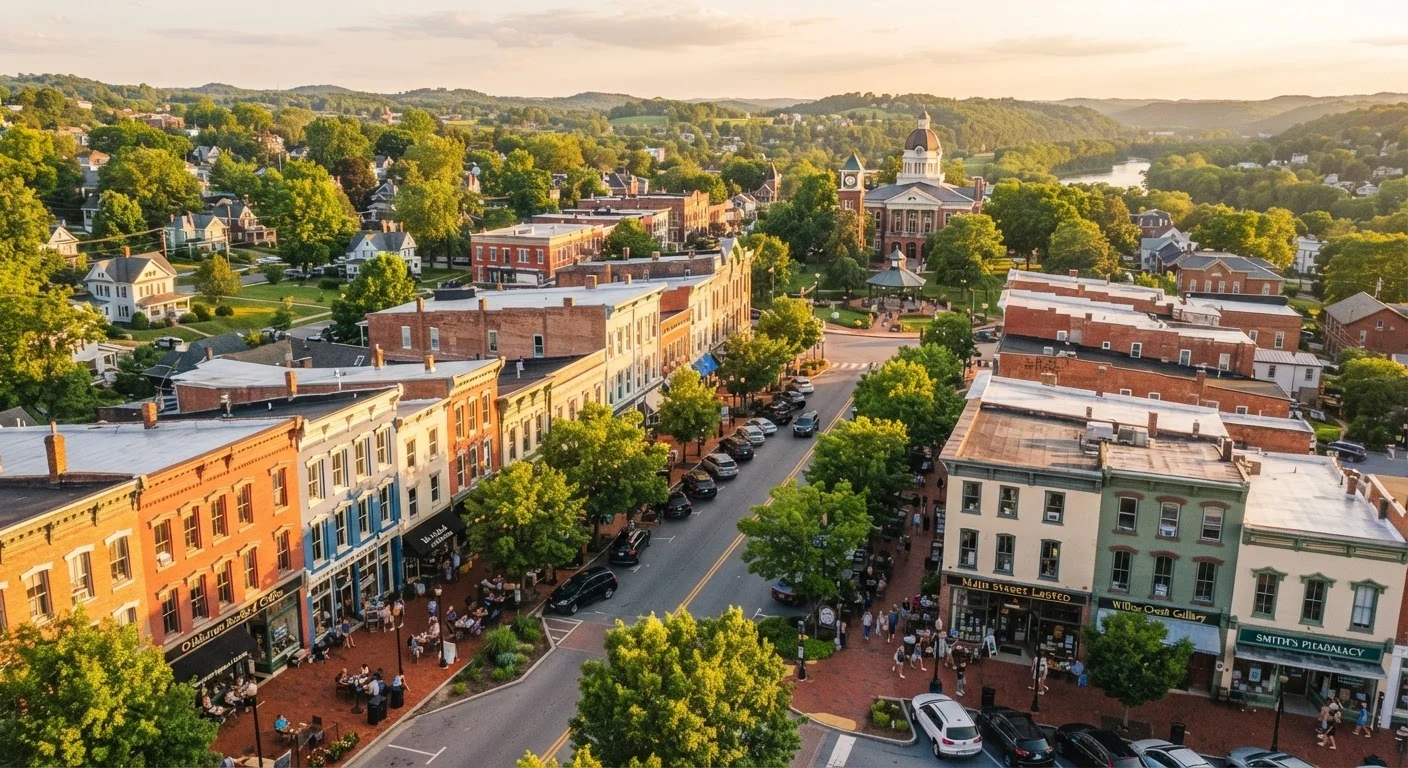
Why Small Cities Deserve a Spot on Your Travel List
There's a particular magic to arriving somewhere that doesn't have a line out the door at every attraction. America's smaller cities — the ones that rarely top a trending travel list — are quietly delivering some of the most rewarding weekend experiences in the country. You get walkable neighborhoods, local restaurants that aren't operating for tourists, and a genuine sense of place that's hard to manufacture.
These aren't sleepy towns with nothing to do. They're cities with functioning arts scenes, distinct histories, and communities that make you feel welcome rather than processed. Whether you're traveling solo, as a couple, or with a small group, a long weekend in a less-obvious destination can scratch the travel itch without the logistical headache of a marquee city. For more on pacing yourself well once you arrive, see how to get the most out of any US destination.
Marquette, Michigan
Perched on the southern shore of Lake Superior, Marquette is a genuine surprise. This Upper Peninsula city blends rugged outdoor access with a lively downtown full of independent coffee shops, breweries, and an art scene that punches well above its size. Hikers and mountain bikers will find trails right at the city's edge, while Presque Isle Park — a wild peninsula jutting into the lake — offers some of the most dramatic freshwater views in the US.
Marquette also makes a compelling entry point into the broader Great Lakes region. For a deeper sense of what the area offers, the Great Lakes as a travel destination is worth exploring before you go.
Presque Isle Park delivers some of the most dramatic freshwater scenery anywhere in the country.
Bentonville, Arkansas
Few cities have transformed as dramatically — or as thoughtfully — as Bentonville. What was once a small Ozark town is now home to a world-class art museum, an extraordinary network of mountain biking trails, and a food scene that draws visitors from across the region. The downtown square is charming and walkable, and the surrounding Ozark hills give the whole area a beautiful natural backdrop.
Bentonville suits travelers who want culture and the outdoors in equal measure. It's also genuinely family-friendly, with interactive spaces and free or low-cost activities mixed in alongside more curated experiences.
Bentonville offers world-class art, serious mountain biking, and a charming downtown all in one compact visit.
Savannah, Georgia
Savannah often gets a mention but rarely gets the deep dive it deserves. Its 22 historic squares — each a shaded, moss-draped gathering space — create a walking experience unlike anywhere else in America. The city's architecture is extraordinarily preserved, and its food scene leans into both Southern tradition and creative modern cooking.
The Savannah College of Art and Design (SCAD) brings a younger, creative energy that keeps the city from feeling like a museum piece. For travelers who love history, walkability, and atmosphere in roughly equal parts, Savannah is close to ideal. It pairs naturally with a coastal drive, too, if you want to extend your trip.
Twenty-two historic squares make Savannah one of America's most walkable and atmospheric cities.
Bozeman, Montana
Bozeman has grown in recent years, but it still retains the feel of a mountain city rather than a resort town. Downtown is compact and genuinely local, with bookshops, farm-to-table restaurants, and live music venues that cater to residents as much as visitors. Yellowstone National Park is roughly 90 minutes south, making Bozeman an excellent base for a park visit that doesn't require staying inside the park itself.
Winters bring skiing at nearby mountains; summers open up hiking, fly fishing, and white-water options. Travelers comparing mountain destinations to coastal ones might find the mountain vs. coastal getaway comparison a useful read before deciding.
Bozeman is a livable, local-feeling gateway to some of Montana's — and the West's — greatest landscapes.
Portsmouth, New Hampshire
For a compact New England city that delivers outsized character, Portsmouth is hard to beat. Its historic waterfront district, called Strawbery Banke, preserves more than 300 years of American architectural history across a walkable open-air site. The city also has a surprisingly dynamic restaurant scene given its population, along with independent bookstores, galleries, and a year-round live music culture.
Portsmouth sits just over an hour from Boston, making it an easy add-on or a standalone weekend trip. Fall foliage season brings striking scenery; summer draws visitors to the nearby beaches along the short New Hampshire coastline. The city rewards slow exploration — a few unhurried walks through its historic neighborhoods will reveal more than any checklist approach could.
Portsmouth's Strawbery Banke brings over three centuries of New England history into a single walkable neighborhood.
Asheville, North Carolina
Asheville sits in the Blue Ridge Mountains and carries a creative, eclectic energy that's hard to replicate. Its arts district — the River Arts District — is home to working studios spread across former industrial buildings, where you can often watch artists in the process of creating. The food scene is equally serious, with a strong emphasis on local sourcing and a craft brewing culture that's become a destination in its own right.
Downtown Asheville is walkable and full of street art, boutiques, and live music spilling out of venues at almost any hour. It's the kind of city that rewards wandering. Travelers who enjoy a city with real musical and culinary identity might also find the contrast between New Orleans and Nashville an interesting frame for understanding what makes each music-centric city unique.
Asheville's River Arts District offers a rare chance to experience a working creative community up close.
Planning Your Under-the-Radar Trip
One of the real advantages of these destinations is flexibility. Because demand is lower, you typically have more options for where to stay and when to go. That said, local festivals, college events, or seasonal peaks can still fill up a small city quickly — it's always worth a quick check before finalizing plans.
Check local event calendars before booking
Small cities can fill up fast around major local events — a regional festival, a university homecoming weekend, or a popular race can dramatically change availability and atmosphere. A quick look at a city's official tourism or events calendar can help you plan around (or intentionally into) the local scene. Arriving mid-week, even for a long weekend that starts Thursday, can also give you a head start on crowds.
If you're considering a first solo trip, smaller cities are an especially approachable starting point — less sensory overload, easier to navigate on foot, and more opportunities to connect with locals. Our guide to solo travel in America covers the logistics and mindset shifts that help first-timers thrive. And if your schedule is flexible, the trade-offs of off-season travel are worth understanding before you book.
The content on this site is for informational purposes only and is not a substitute for professional advice. Always consult a qualified professional for guidance specific to your situation.