

Why These Myths Persist
International travel carries a reputation for being expensive, complicated, and out of reach for anyone without a generous savings account. That reputation is largely inherited from a different era of travel — one defined by limited options and higher barriers to information. Today, the landscape looks very different, yet the myths linger.
These misconceptions don't just frustrate curious travelers — they actively keep people from experiences that are both realistic and rewarding. Before you write off a trip to Portugal, Colombia, or Vietnam as beyond your means, it's worth examining what the evidence actually shows. See our guide to building a realistic travel budget before you assume a number is out of reach.
Myth
International travel is only affordable if you fly budget airlines with miserable conditions.
Fact
Flight cost is one variable among many, and destination choice often matters more than carrier choice.
Budget carriers do offer lower base fares, but fees for bags, seat selection, and onboard basics can close the gap quickly. More importantly, travelers focused only on the flight miss the bigger picture: a modestly priced flight to a low-cost-of-living destination can result in a far cheaper overall trip than a cheap domestic flight to an expensive city. Research the daily cost of living at your destination — not just the ticket price — before drawing conclusions about affordability.
Myth
You need to speak the local language to travel internationally without overpaying.
Fact
Language barriers rarely translate directly into higher costs, and practical tools make communication manageable.
The assumption that not speaking a language means getting ripped off is largely unfounded in most popular travel destinations. Translation apps, widely spoken English in tourist areas, and simple preparation (learning a handful of local phrases, knowing neighborhood price norms) go a long way. Overconfidence can actually cost more — savvy negotiation matters less than simply knowing in advance what a fair price looks like, regardless of the language involved.
Myth
Eating well abroad on a tight budget means relying on fast food or unsafe street stalls.
Fact
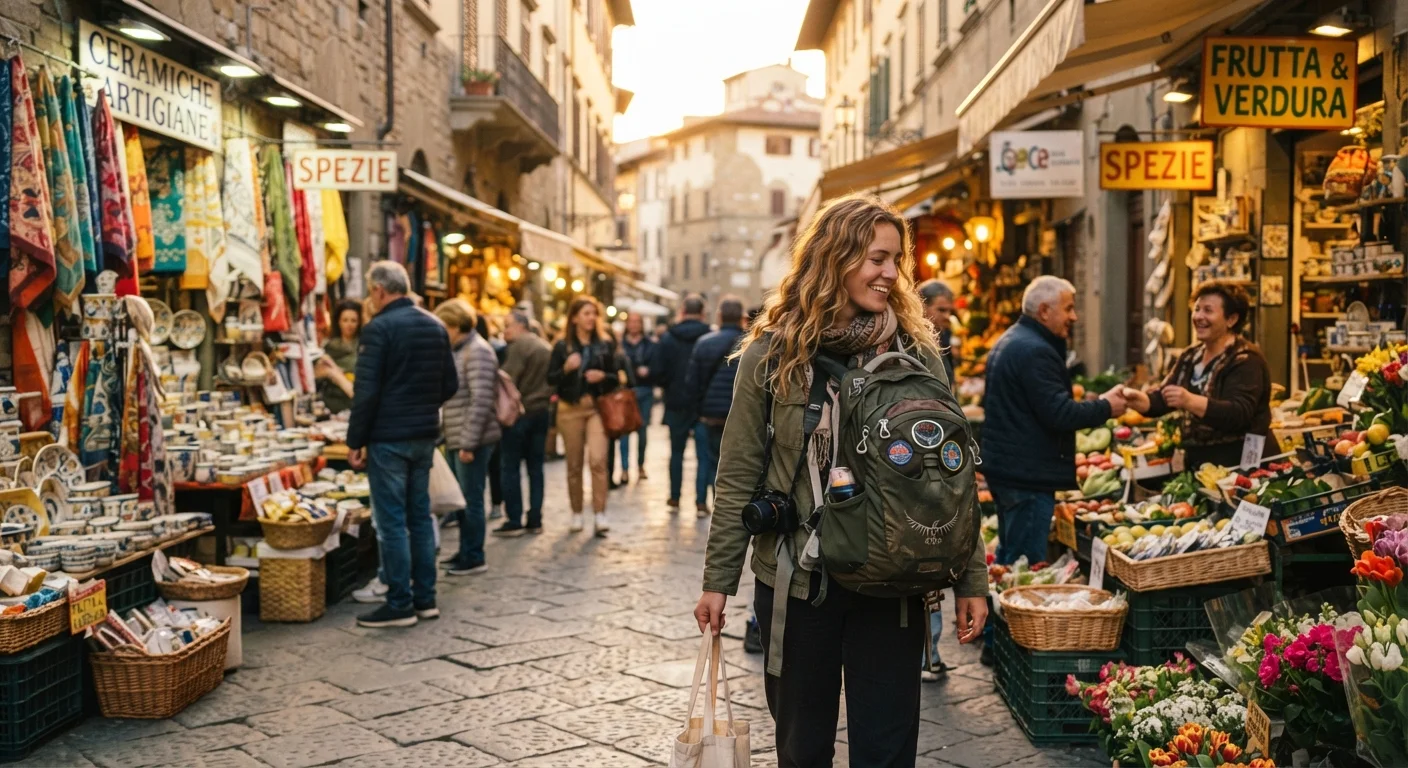
Local markets, neighborhood restaurants, and street food in many countries are safe, delicious, and dramatically cheaper than tourist-oriented dining.
In much of Southeast Asia, Central America, and Southern Europe, street food and casual local eateries represent how the majority of residents eat daily — and food safety standards in these settings are often regulated and generally reliable, though individual judgment still applies. The expensive meals in international destinations are usually concentrated in tourist corridors. Eating where locals eat is typically both safer for your wallet and more representative of the actual food culture. For related strategies, see our guide to eating well on a tight budget.
Myth
International travel is inherently more dangerous than staying home, making budget options especially risky.
Fact
Risk varies enormously by destination, neighborhood, and traveler behavior — not by travel budget level.
Spending more on travel does not automatically buy safety. Many popular budget-travel destinations — think Portugal, Japan, or Costa Rica — rank consistently high on global safety indices. Meanwhile, spending habits that telegraph wealth can attract unwanted attention in any country. The more reliable safety inputs are research (checking government travel advisories before departure), situational awareness, and respecting local norms — none of which require a premium travel budget. Always verify current entry requirements and advisories through official government sources before traveling.
Myth
You have to travel in peak season to get the most out of an international destination.
Fact
Shoulder season often offers the same core experiences at meaningfully lower costs and with smaller crowds.
Peak season typically means peak prices for flights, accommodation, and popular attractions — often without a proportional increase in experience quality. Many destinations are at their most enjoyable just before or after the tourist rush: weather is still favorable, attractions are accessible, and locals are less fatigued by visitor volume. The definition of shoulder season varies by region, so destination-specific research is essential. Flexibility on travel dates is one of the highest-return planning decisions a budget traveler can make. For more on flight timing assumptions, see our article on common myths about cheap flights.
What Smart Budget Travelers Actually Do Differently
Travelers who consistently explore internationally on modest budgets tend to share a few habits: they prioritize destination research over deal-hunting, they track their daily spending categories before departure, and they understand how currency and payment choices affect their bottom line. Our explainer on currency exchange covers one of the most overlooked cost factors in international trips.
40–60%
Potential daily cost difference by destination
Daily travel costs in Southeast Asia or Central America can run 40–60% lower than comparable experiences in Western Europe, according to general cost-of-living comparisons across travel research sources.
3–5%
Typical foreign transaction fee on unprepared cards
Many standard bank cards charge 3–5% on foreign transactions; choosing a travel-friendly account before departure is one of the simplest ways to reduce international spending costs.
They also recognize that cultural fluency — knowing local customs, tipping norms, and where locals actually eat — saves money naturally. A tourist-priced meal steps from a landmark can cost three times what a neighborhood spot charges two blocks away. Our article on traveling respectfully in another country explains how cultural awareness and budget travel often go hand in hand.
If you're weighing a domestic alternative, US destinations can be compelling — but don't assume they're automatically cheaper than an international trip once flights and accommodation are factored in. Trip planning fundamentals apply equally well whether you're crossing state lines or time zones.
Don't Skip Travel Insurance to Save Money
One of the costliest mistakes budget travelers make is skipping travel insurance to cut expenses. A single medical evacuation abroad can cost tens of thousands of dollars out of pocket. General travel insurance typically covers trip cancellation, medical emergencies, and lost luggage at a fraction of those potential costs. Review your existing health and credit card coverage carefully before departure, and consult your insurer about what is and isn't covered internationally.
The content on this site is for informational purposes only and is not a substitute for professional advice. Always consult a qualified professional for guidance specific to your situation.