

Mapping Your Route the Smart Way
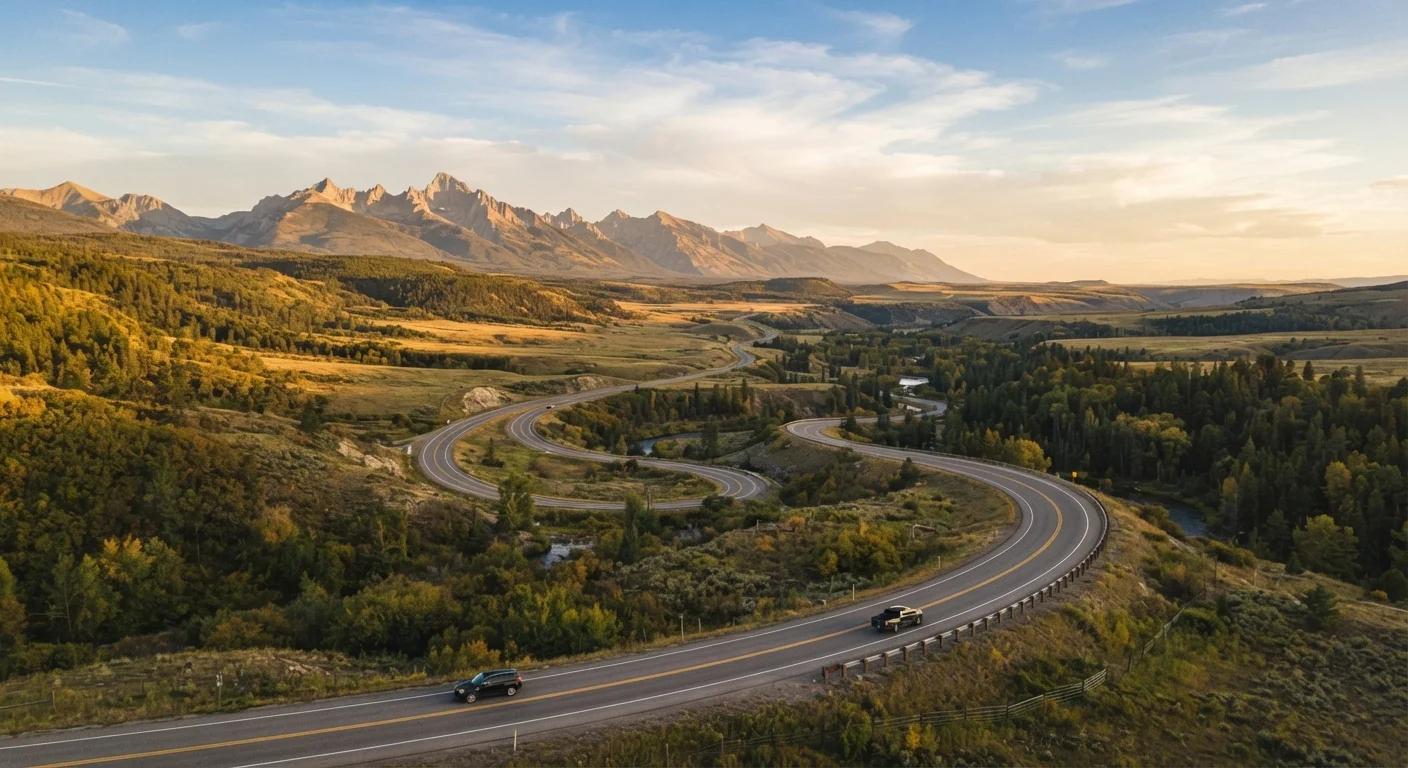
The most satisfying road trips are built around experiences, not pure mileage. Before opening any mapping app, jot down your non-negotiable stops—a national park, a childhood hometown, a specific coastline. Then let the route connect those anchors rather than forcing the anchors to fit a straight line.
Think in terms of loops versus point-to-point drives. A loop lets you return your car to the same city; a one-way drive can cover more new ground but may require repositioning the vehicle. Factor in terrain: mountain passes, desert corridors, and coastal highways all add time and fuel relative to interstate cruising. National Scenic Byways are worth investigating—these federally recognized routes are chosen for their cultural, natural, or recreational significance and can transform a functional drive into a genuine highlight.
Cross-reference your draft route against seasonal realities. High mountain roads may be closed in early spring; desert stretches in July can be dangerously hot. For destination inspiration once your corridor is set, our US Destinations hub covers regions from the Pacific Coast to the Gulf South.
Use Offline Maps as a Backup
Download offline map segments for your entire route before leaving home. Cell coverage is genuinely sparse in parts of the rural West, Southwest, and Appalachian corridor—and a navigation dead zone is the worst moment to discover this. Most major mapping apps support offline downloads at no extra cost.
Vehicle Prep: What to Check Before Mile One
Nothing derails a long-distance trip faster than a mechanical problem that a pre-trip check would have caught. At minimum, address these areas before departing:
- Tires: Check pressure, tread depth, and the spare. Tires lose roughly 1 PSI for every 10°F drop in temperature, so recheck after the first cold morning on the road.
- Fluids: Engine oil, coolant, brake fluid, and windshield washer fluid. Topping these off takes minutes and can prevent costly breakdowns.
- Brakes and belts: Squealing brakes or a cracked serpentine belt are problems best diagnosed at home, not 400 miles from the nearest service center.
- Lights and signals: A burned-out brake light is both a safety hazard and a traffic stop waiting to happen.
For a detailed walkthrough, see our pre-drive safety checklist. If your vehicle is outside its routine service window, schedule a full inspection with a qualified mechanic before leaving—not after.
~37,000
Annual US traffic fatalities
According to the National Highway Traffic Safety Administration, vehicle crashes remain a leading cause of injury-related death in the US, reinforcing the importance of pre-trip vehicle checks.
1 in 6
Crashes attributed to drowsy driving
The AAA Foundation for Traffic Safety estimates that drowsy driving contributes to roughly 1 in 6 fatal crashes, making realistic daily mileage limits a genuine safety issue.
Setting Realistic Daily Driving Limits
Eight hours of driving per day is widely cited by safety researchers as a reasonable upper limit for alert, rested adults—and that figure assumes real breaks, not just fuel stops. Fatigue impairs reaction time in ways that can feel invisible to the driver, which makes it genuinely dangerous rather than just uncomfortable.
A practical rule: plan 400–450 miles per full driving day on interstate routes, and 250–300 miles on scenic or mountainous roads where speeds are lower and attention demands are higher. Build in at least two 15-minute stops for every four hours of driving. Solo drivers should be especially disciplined here—there's no co-pilot to take over. For solo-specific logistics, solo travel in America covers the planning mindset in detail.
Start your longest driving days early—before 7 a.m. if possible. Traffic is lighter, temperatures are cooler in desert regions, and you arrive at your stop with enough energy to actually enjoy it.
Early departures consistently reduce driving stress and heat exposure while giving more flexibility to stop for unexpected sights along the way.
Program your next day's first stop the night before, not the morning of. Decision fatigue is real, and fumbling with navigation while merging onto a highway is both distracting and dangerous.
Pre-loading destinations reduces cognitive load at the start of the driving day, when mental energy is needed most for navigation.
Planning Overnight Stops
Where you sleep shapes the entire rhythm of the trip. Options run the gamut: campgrounds and RV parks, budget motels, mid-range chain hotels, boutique inns, and short-term rentals. Each has tradeoffs in cost, convenience, and atmosphere.
In popular travel corridors—gateway towns to national parks, coastal resort areas, major event cities—accommodations fill weeks in advance during peak season. A good habit is to lock in at least the first and last night of each major segment, then leave the middle nights more flexible. If you're camping, research reservation systems for your intended parks or forests well ahead; some federal campsite permits open months in advance.
A well-planned stop isn't just a place to sleep—it's an opportunity to explore a town you'd otherwise bypass at 75 mph. The anatomy of a well-planned trip explains how overnight locations can anchor your daily itinerary rather than just terminate it.
Don't Rely Solely on Peak-Season Availability
Summer weekends near national parks and coastal towns can see accommodations sell out days or weeks in advance. Arriving without a reservation and expecting to find something nearby is a gamble that regularly leaves travelers sleeping in their cars involuntarily. Even loose plans should include a backup option for the night.
Packing for the Long Haul
Efficient packing in a car is different from packing for a flight—you have more space, but a cluttered car is fatiguing and dangerous. Organize around frequency of access: daily-use items (snacks, phone chargers, a bag of tolls change) should be immediately reachable; luggage for overnight stays can live in the trunk. A soft-sided cooler or a proper electric cooler reduces gas station food dependence and cuts costs significantly over a multi-week trip.
Critical items that are easy to forget: a physical road atlas as a GPS backup, a basic first-aid kit, jumper cables or a portable jump starter, and enough cash to handle toll roads and rural areas where card readers are unreliable. Sun protection—sunscreen, polarized sunglasses, a window shade for parked stops—matters more than most first-timers anticipate on a long drive through open country.
Contingency Planning and Staying Flexible
Even a perfectly planned road trip will encounter something unexpected—a road closure, sudden weather, a flat tire, an unmissable detour recommended by a gas station clerk. The difference between a stressful experience and a great story is usually preparation.
Before leaving, confirm your roadside assistance coverage. Many auto insurance policies include it; some credit cards do too. If neither applies, a standalone membership through an automobile club is worth considering. Keep a small emergency fund in cash accessible in the car. Map one alternate route for each major segment so a closure doesn't require creative problem-solving while driving.
Mental flexibility matters as much as logistical prep. A rigid itinerary turns every delay into a failure. Build buffer days—at least one per week of travel—where nothing is scheduled. Those unplanned hours often produce the best memories. For a broader framework on how all these pieces fit together, road trip planning from start to finish offers a complementary overview across trip lengths and styles.
Verify Road Conditions Before Every Major Segment
State DOT websites and official travel apps provide real-time road condition data, closures, and construction delays. Relying solely on consumer navigation apps can mean missing closures that haven't been updated in the system yet. Checking official sources each morning takes less than five minutes and can save hours of detour time.
The content on this site is for informational purposes only and is not a substitute for professional advice. Always consult a qualified professional for guidance specific to your situation.