

Why Hawaii Myths Persist
Hawaii occupies a special place in the American imagination — a dream destination painted by postcards, movies, and social media in broad, often misleading strokes. First-time visitors frequently arrive with expectations built on myth rather than reality, which can lead to genuine surprises once they land. Understanding what's actually true about traveling to Hawaii makes the experience smoother and frankly more enjoyable.
Before diving into the myths, it's worth knowing that smart trip-planning habits apply here just as anywhere. For example, many of the flight-booking myths that mislead travelers apply directly to booking your Hawaii airfare, so a little research goes a long way.
Myth
Hawaii has perfect sunny weather all the time, on every island.
Fact
Every Hawaiian island has a distinct wet side and a dry side, and rainfall can be dramatic and frequent depending on where you are.
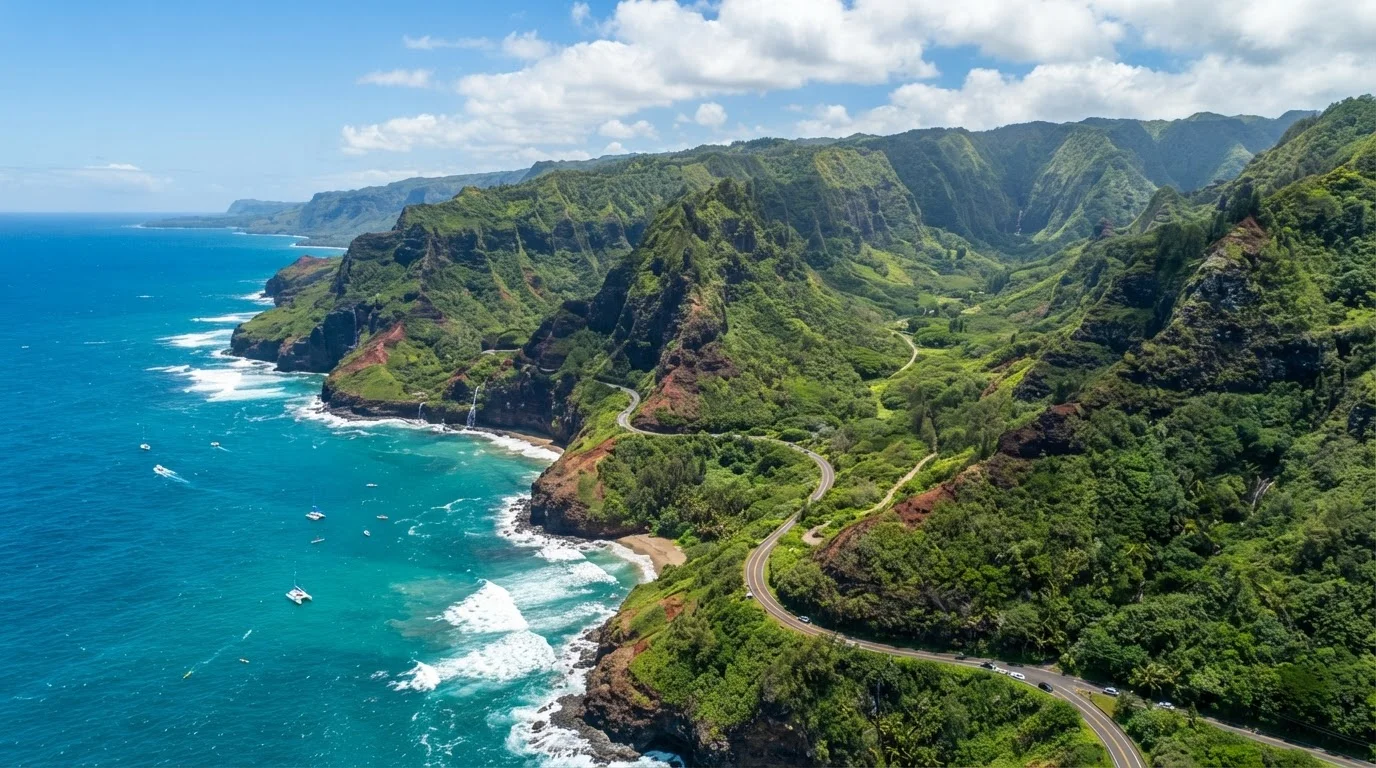
Trade winds push moisture against the mountains on each island's windward (northeastern) side, creating lush, often rainy conditions. The leeward (southwestern) sides tend to be sunnier and drier. Kauai's interior, for instance, is among the rainiest places on Earth. Choosing your base location on an island matters enormously — a hotel on the wet side may mean cloudy afternoons even in summer.
Myth
Island-hopping between the Hawaiian islands is easy and cheap — just hop on a quick boat.
Fact
Inter-island travel requires flying on commercial aircraft. There is no regular passenger ferry service connecting the major Hawaiian islands.
Flights between islands typically take 30–50 minutes, but when you add airport arrival time, security, and ground transportation, a single island-hop can consume most of a day. Budget both time and money accordingly — inter-island airfare is an added cost that surprises many visitors who assumed they could squeeze multiple islands into a short trip without much friction.
Myth
Hawaii is so expensive that it's only realistic for luxury travelers.
Fact
Hawaii has a wide range of lodging, dining, and activity options, and a thoughtful budget can make it workable for many everyday travelers.
Local plate-lunch spots, state-run beach parks with free access, and vacation rental options outside resort zones all help reduce costs significantly. The main expenses are typically airfare and accommodations — areas where advance planning pays off. It's not the most affordable US destination, but writing it off entirely as "only for the wealthy" overlooks how many Americans visit Hawaii on moderate budgets each year.
Myth
All Hawaiian beaches are white sand and calm, swimmable water.
Fact
Hawaii's beaches come in black, green, red, and white volcanic sand, and many have powerful surf or strong currents that make swimming dangerous.
The black sand beaches of the Big Island and the rare green-sand beach near South Point are among the most striking in the world — but they're often not ideal for swimming. Even picturesque white-sand beaches can have hazardous shore breaks and rip currents. Always check posted warning signs, ask locals about conditions, and never turn your back on the ocean. Conditions change with season and swell direction.
Myth
Winter is peak season in Hawaii because everyone escapes cold weather.
Fact
Summer (June through August) is Hawaii's peak tourist season, with the highest prices and largest crowds.
While many mainland visitors do travel to Hawaii in winter to escape cold weather, the actual visitor volume peaks in summer when families travel during school breaks. Shoulder seasons — spring and fall — often offer a reasonable combination of good weather, manageable crowds, and somewhat lower accommodation rates. Winter travel can be lovely, but it also brings larger surf on north shores and occasional rainy spells.
What First-Timers Should Actually Expect
Beyond the specific myths, there are a few broader realities worth internalizing before you book. Hawaii's islands are not interchangeable. Oahu offers the most infrastructure and tourist amenities. Maui tends toward upscale resort experiences. The Big Island has raw, volcanic drama. Kauai is quieter and greener. Choosing the right island for your travel style matters more than picking Hawaii generically.
6 hrs
Average mainland US to Hawaii flight time
Flights from the US West Coast average around 5–6 hours; East Coast travelers should expect 10–12 hours, making Hawaii a genuine long-haul commitment.
8M+
Annual visitors to Hawaii
Hawaii Tourism Authority data consistently shows over 8 million visitors per year pre-pandemic, reflecting the destination's broad, diverse appeal beyond luxury travelers.
Logistics on Hawaii are also unlike any other US destination. For a deeper dive into what makes island-state travel uniquely demanding, the guide on what Alaska and Hawaii travel actually demands of visitors is essential reading before you finalize your itinerary.
Respect Kapu (Sacred) Sites and Natural Areas
Hawaii has numerous sites of deep cultural and spiritual significance to Native Hawaiian communities. Visitors should research locations before wandering off marked paths, avoid removing rocks, sand, or coral (it's also illegal), and follow posted rules at natural areas. Leave-no-trace principles apply forcefully here — ecosystems are fragile and irreplaceable.
Finally, Hawaii is genuinely accessible on a range of budgets — but it does require honest planning. If you're rethinking what you can afford for travel broadly, it's worth checking whether any budgeting myths are keeping you stuck before writing off the trip entirely. More smart travel tips can also help you stretch your Hawaii dollar further once you arrive.
The content on this site is for informational purposes only and is not a substitute for professional advice. Always consult a qualified professional for guidance specific to your situation.