

Why Your Brakes Make Noise in the First Place
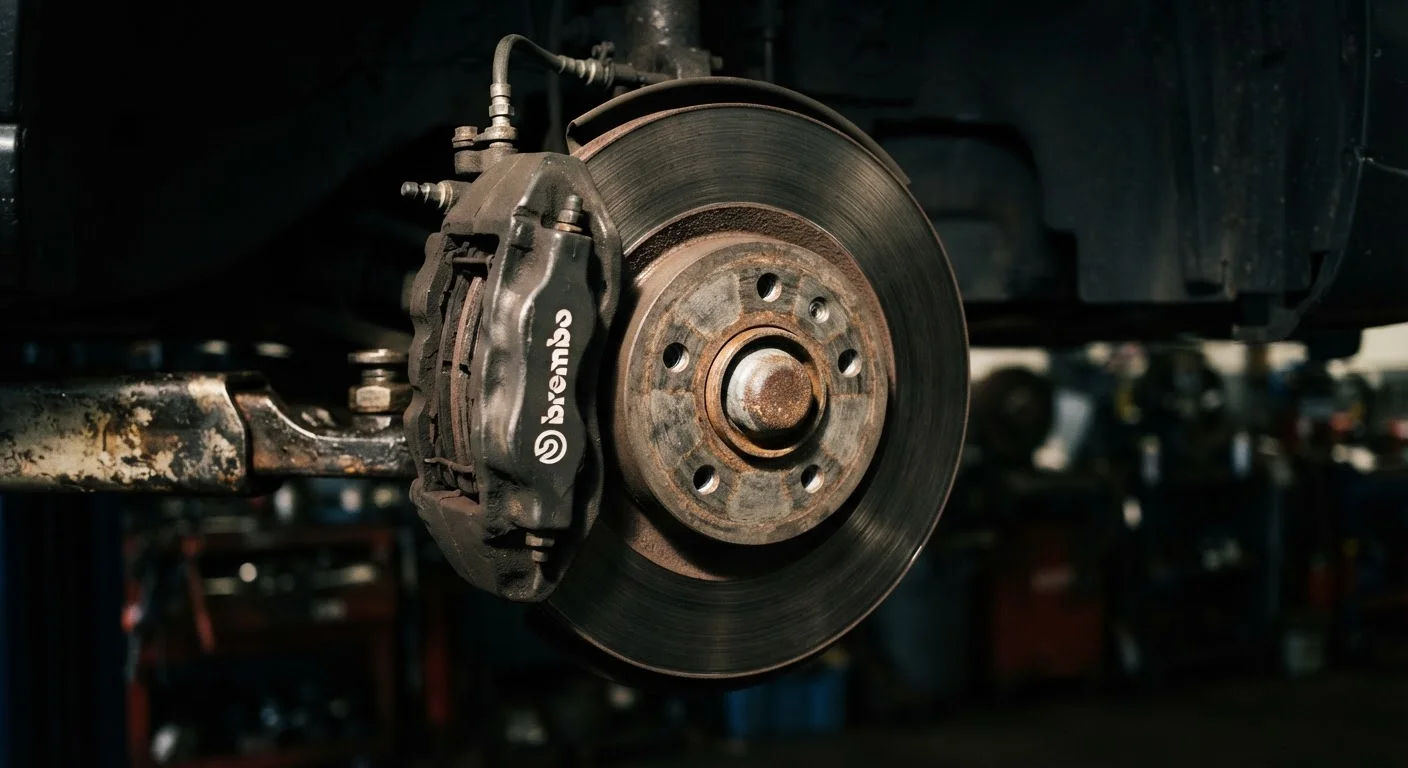
Your braking system works by pressing friction material (the brake pad) against a spinning metal disc (the rotor) to slow the vehicle. That relationship between moving parts means noise is always possible - the question is whether a given sound is normal or a warning sign.
Manufacturers actually design some noise in on purpose. Most brake pads include a small metal tab called a wear indicator. When the pad wears thin, that tab contacts the rotor and produces a deliberate high-pitched squeal - your car's built-in reminder that service is due. Other noises, though, aren't by design. They're the result of worn parts, moisture, loose hardware, or damage.
Learning to tell the difference isn't about becoming a mechanic. It's about knowing when to monitor the situation, when to schedule a shop visit, and when to pull over now. As part of a broader approach to vehicle upkeep, recognizing subtle warning signs like unusual sounds can help you catch problems before they escalate.
Decoding the Most Common Brake Sounds
Each type of brake noise tends to point to a specific cause. Here's a plain-language breakdown:
Squealing or High-Pitched Screeching
This is the most common brake noise, and it has two main causes. The first - and usually less urgent - is light surface rust on the rotors after rain or a night sitting outside. It typically clears up within the first few stops. The second cause is a worn pad triggering the wear indicator. If the squeal is consistent every time you brake, that's the more likely explanation, and it means pads are due for replacement.
Note the Pattern Before Your Shop Visit
Before calling a mechanic, pay attention to when the noise happens: only on the first stop of the day, every time you brake, only at certain speeds, or only under hard braking. That detail - along with whether you feel anything in the pedal - helps a technician diagnose the cause faster and more accurately.
Grinding or Metal-on-Metal Scraping
Grinding is the sound no driver wants to hear. It usually means the brake pad has worn all the way through, leaving the metal backing plate scraping directly against the rotor. This damages the rotor rapidly and reduces your braking ability. Treat grinding as urgent - continued driving risks turning a pad replacement into a much costlier rotor replacement or, worse, a safety failure.
Clicking, Rattling, or Clunking
A click or rattle when you first press or release the brake pedal often points to loose brake pad hardware - specifically anti-rattle clips or shims that hold pads securely in the caliper bracket. These small components wear out or corrode over time. The noise itself may seem minor, but loose hardware can affect how evenly the pad contacts the rotor.
Thumping or Pulsing
A rhythmic thump or a pedal that pulses underfoot when braking usually signals a warped rotor - a disc that's no longer perfectly flat. Rotors can warp from prolonged heavy braking or from being cooled suddenly (like driving through a puddle after aggressive braking). A shop can measure rotor thickness to confirm.
When to Monitor vs. When to Act Immediately
Not every brake noise demands an emergency stop, but all of them deserve attention. Here's a simple way to think about urgency:
- Monitor and schedule soon: Consistent squealing during normal braking (wear indicator), light squeak that clears after the first few stops (surface rust), minor clicking with no change in pedal feel.
- Schedule promptly - within days: Squealing that's getting louder or more frequent, a pedal that feels slightly spongy, rattling that's new or worsening.
- Act immediately - don't delay: Grinding or metal-on-metal sounds, significant loss of braking power, pedal going to the floor, or any brake noise paired with pulling to one side.
Dashboard warning lights can sometimes accompany brake problems, but plenty of brake issues - especially early ones - never trigger a dashboard alert. Your ears are often the earlier warning system.
When you do visit a shop, it helps to describe the noise accurately: when it happens (first stop of the day vs. every stop), whether it's tied to speed or pedal pressure, and whether you feel anything in the pedal or steering wheel. Our guide on talking to a mechanic clearly can help you communicate what you've noticed so you get accurate answers.
~25%
Vehicles with inadequate brake pad thickness
The Car Care Council has reported that roughly one in four vehicles inspected during car care awareness events showed brake-related deficiencies, including low pad depth.
$300-$800+
Typical cost difference: pads-only vs. pads-and-rotors
Industry repair estimates suggest that addressing worn pads before rotors are damaged can significantly reduce total brake service costs per axle.
Frequently Asked Questions
A high-pitched squeal is usually the wear indicator telling you pads are low - not an immediate emergency, but a warning to schedule service soon. If the squealing is accompanied by reduced stopping power or a grinding sensation, treat it as urgent and have it inspected right away.
Light surface rust forms on rotors overnight and causes a brief squeal on the first few stops. This is normal and typically clears up within a block or two. If the noise persists throughout normal driving, it's worth having the brakes checked.
Grinding almost always means the brake pad material has worn away completely, leaving metal parts contacting each other. This damages rotors quickly and compromises braking effectiveness. Get the vehicle inspected by a qualified mechanic as soon as possible.
Yes. New brake pads sometimes squeak during a break-in period as the pad surface beds in against the rotor. The noise usually fades after a few hundred miles of normal driving. If it continues longer, have the installation checked.
A single click when you first apply the brakes often points to loose brake pad hardware or anti-rattle clips that have worn out. It's worth getting inspected - loose hardware can affect braking consistency even before it causes other symptoms.
Brake pad life varies widely depending on driving habits, vehicle weight, and pad type - typically somewhere between 25,000 and 65,000 miles. Your mechanic can measure pad thickness during routine service to give you a clearer picture for your specific vehicle.
The content on this site is for informational purposes only and is not a substitute for professional advice. Always consult a qualified professional for guidance specific to your situation.