

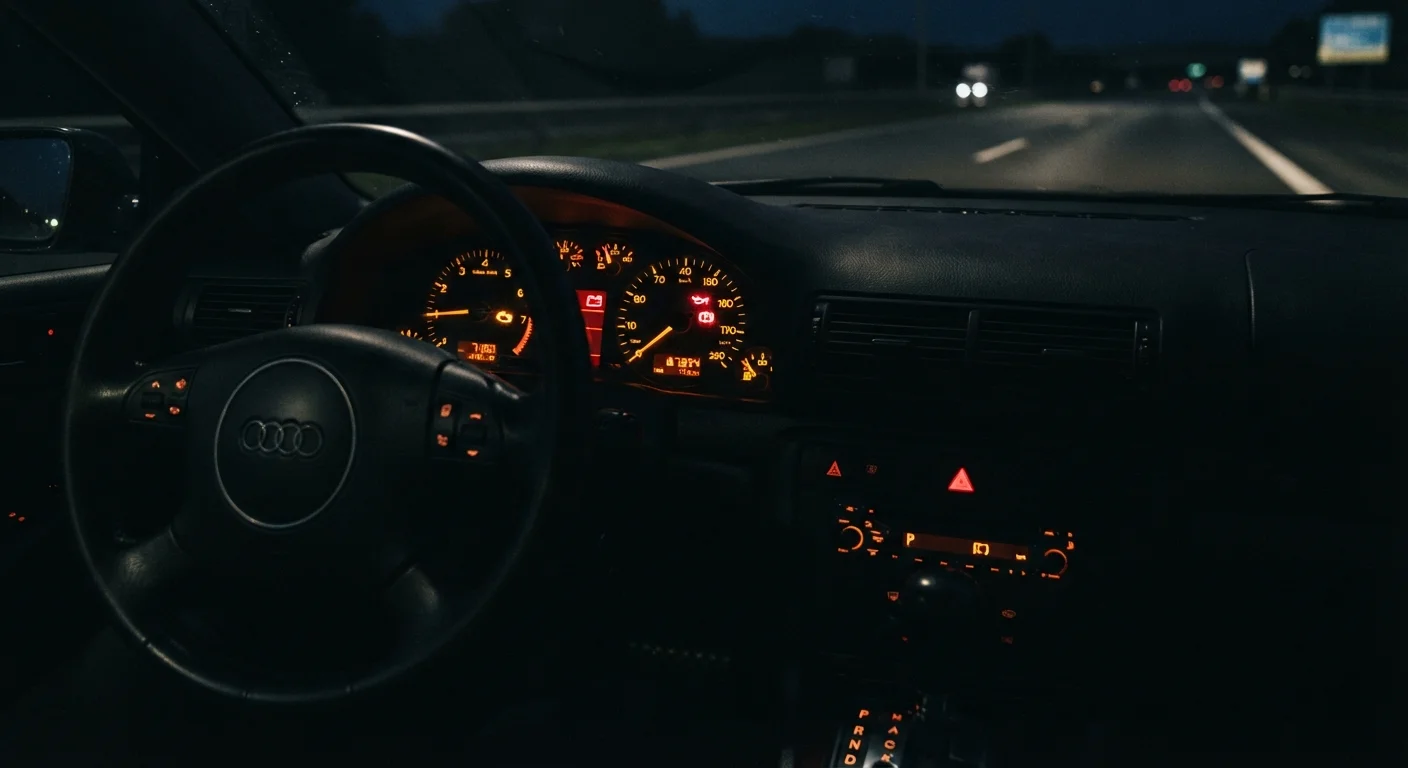
Why Dashboard Lights Exist (and Why You Shouldn't Ignore Them)
Modern vehicles are packed with sensors that monitor everything from oil pressure to seatbelt status. When something falls outside the normal range, the car illuminates a warning light on the instrument cluster - your dashboard. Think of these lights as your car's version of a text message: brief, but worth reading.
The problem is most drivers weren't handed a decoder ring at the dealership. A symbol that looks like a genie lamp might mean your oil is low. A picture of an engine could signal anything from a loose gas cap to a misfiring cylinder. Knowing the difference helps you respond appropriately - not every light is a pull-over-immediately emergency, but none of them should be covered with tape and forgotten.
For a broader picture of how your car communicates problems before a light ever comes on, see signs your car is overdue for maintenance.
The Most Common Warning Lights and What They Mean
Not all warning lights carry equal urgency. Color is your first clue: red generally means stop or act now, yellow/amber means investigate soon, and green or blue is usually just a status indicator (like your high beams being on).
OBD-II
On-Board Diagnostics, second generation - a standardized system built into all U.S. passenger vehicles sold since 1996 that monitors engine and emissions performance and stores fault codes readable by a scanner.
TPMS
Tire Pressure Monitoring System. A sensor-based system that alerts you when one or more tires drops significantly below the recommended pressure.
Instrument Cluster
The panel directly behind the steering wheel that houses your speedometer, fuel gauge, and all warning lights.
Fault Code
A numeric or alphanumeric code stored by the OBD-II system when a sensor reading falls outside normal parameters. Mechanics use these codes as a starting point for diagnosis.
Red Lights - Act Promptly
- Oil Pressure Warning (oil can icon): Oil pressure has dropped dangerously low. Pull over safely and shut off the engine. Driving on means risking serious, expensive engine damage.
- Engine Temperature (thermometer in water): Your engine is overheating. Pull over, turn off the engine, and let it cool. Do not open the radiator cap while hot.
- Battery (rectangle with + and − signs): The charging system isn't working properly. Your car may run for a short while on battery power alone, but electrical systems will begin failing. Head to a mechanic.
- Brake Warning (circle with exclamation mark): Could mean the parking brake is engaged - or that brake fluid is low or there's a system fault. Release the parking brake first; if the light stays on, have brakes inspected right away. Brake noise often accompanies brake system problems.
Amber Lights - Investigate Soon
- Check Engine (outline of an engine): The most misunderstood light on any dashboard. It signals the onboard diagnostics system has detected an out-of-range reading. A steady light means schedule a diagnostic scan. A flashing check engine light means a more urgent misfire is occurring - ease off the accelerator and get the car looked at quickly.
- Tire Pressure (TPMS - tire cross-section with exclamation mark): One or more tires is significantly under- or over-inflated. Check pressures at your earliest convenience; driving on low tires affects handling and fuel economy.
- Traction Control / Stability Control: These may flash during slippery conditions (normal) or stay solid if the system has a fault (needs service).
Your Owner's Manual Is the Real Decoder Ring
Warning light symbols aren't entirely universal - the same icon can mean different things on different vehicles. Your owner's manual contains the exact definitions for every light on your specific car. If you've misplaced the manual, most automakers offer free digital versions on their official websites. A quick search for your year, make, and model will usually turn it up.
What to Do When a Light Comes On
Your first move depends on which light it is and how the car is behaving. Red lights paired with unusual sounds, smells, or handling changes call for pulling over safely as soon as possible. Amber lights generally allow you to drive to a shop - but don't keep putting it off.
A few practical steps that apply to most situations:
- Check your owner's manual. Every vehicle's manual has a dedicated warning light section with the exact symbols for that make and model.
- Note any additional symptoms - strange smells, vibrations, sounds, or loss of power. This information helps a mechanic diagnose the issue faster.
- For the check engine light specifically, an OBD-II scanner (available at auto parts stores or through many repair shops) can pull the stored fault codes and give you a starting point.
If you're unsure what a symbol means or how serious it is, talking to a mechanic is always a reasonable next step - and knowing what questions to ask makes the conversation much more useful.
1 in 3
Drivers ignore a check engine light for over a month
Surveys by automotive consumer research groups consistently find a large share of drivers delay acting on dashboard warnings.
~$0
Cost to read OBD-II codes at many auto parts stores
Many retailers offer free code reading as a customer service, giving drivers a low-barrier starting point for diagnosis.
The content on this site is for informational purposes only and is not a substitute for professional advice. Always consult a qualified professional for guidance specific to your situation.