

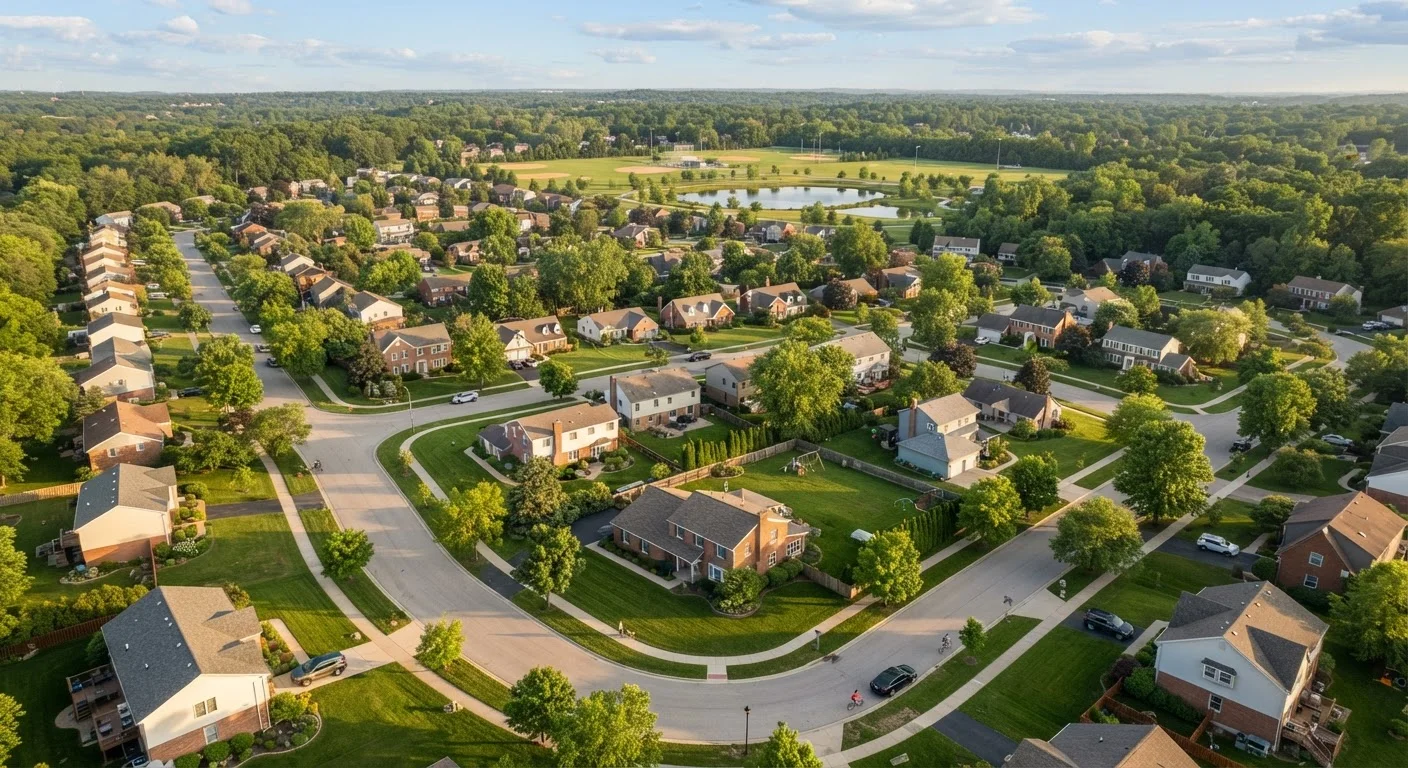
The Bundle of Rights: What Ownership Actually Grants You
Real estate attorneys often describe property ownership as a bundle of sticks — each stick representing a distinct legal right. When you purchase a home in fee simple, you generally receive the right to possess the property, use it, exclude others from it, transfer it, and encumber it (for example, by taking out a mortgage). Together, these rights form the most complete form of ownership recognized in American property law.
But that bundle can be divided. Rights can be stripped out of it long before you arrive on the scene. A prior owner may have sold mineral rights to an energy company decades ago. A utility easement may allow the power company to access a strip of your backyard. A deed restriction from a 1950s subdivision may prohibit certain structures. None of these will necessarily appear on a simple property listing — which is why a thorough title search is essential before closing.
Understanding the difference between deeds and titles is a foundational step toward grasping what you're actually buying.
Surface, Mineral, and Air Rights: Ownership Has Layers
U.S. property ownership is often described as extending from the ground down to the earth's center and upward to the sky — a concept known as cuius est solum. In practice, that principle is heavily qualified.
~65%
U.S. homeownership rate
The U.S. Census Bureau estimates roughly 65% of American households own their home, making residential property one of the most common forms of personal wealth.
Millions of acres
Acres with severed mineral rights
Mineral rights have been severed from surface ownership across vast stretches of the American West and South, often through transactions dating back a century or more.
Surface rights cover the land and everything attached to it — your house, landscaping, and structures. These are what most homebuyers are purchasing. Mineral rights cover subsurface resources including oil, natural gas, coal, and metals. In many parts of the country, particularly Texas and the Mountain West, mineral rights were severed from surface rights generations ago. A home seller may have no mineral rights to convey.
Air rights are the rights to use the vertical space above your property. These matter more in urban contexts — cities sometimes allow developers to purchase unused air rights from adjacent landowners to build taller structures. Federal aviation law also limits how high private air rights extend in practice.
Understanding all three layers before you buy — not just the structure sitting on the surface — gives you a far more complete picture of what you own.
Government Powers That Limit Your Ownership
Even the most comprehensive property ownership exists within a framework of government authority. Four major powers shape what you can do with your property:
- Eminent domain: Governments can compel sale of private property for public use, provided they pay just compensation. This power has been used for highways, schools, and utility infrastructure.
- Taxation: Property taxes are an ongoing obligation. Failure to pay can ultimately result in a tax lien and, in extreme cases, loss of the property.
- Zoning and land use regulation: Local governments determine what types of structures can be built, how land can be used (residential, commercial, agricultural), and what modifications require permits.
- Police power: States and localities can impose regulations to protect public health, safety, and welfare — including building codes, environmental rules, and nuisance laws.
Check Zoning Before You Buy
Before closing on a property, look up its current zoning designation and any pending rezoning applications with the local planning department. Zoning can affect everything from home-based business operations to the ability to build an accessory dwelling unit. This information is typically public record and free to access.
None of these powers make ownership less valuable — but they do mean that property rights exist within a community context, not in isolation. Prospective buyers should research local zoning and any pending development plans in the area before purchasing.
Protecting and Managing What You Own
Once you hold title, protecting that ownership is an ongoing responsibility. Title disputes, boundary disagreements, and undisclosed encumbrances can emerge years after closing. Title insurance is one layer of protection — it guards against claims rooted in events that predate your purchase, such as a forged deed in the chain of title or an undisclosed heir.
How you hold title also carries significant long-term consequences. Joint tenancy, tenancy in common, and community property each affect what happens to ownership when a co-owner dies or the relationship changes. Our guide to vesting and co-ownership rights walks through each structure in plain language.
And when an owner passes away, the form of title held determines whether the property passes automatically to a surviving co-owner, moves through probate, or transfers via a trust. Property rights after death is a topic worth understanding well before it becomes urgent.
Periodically reviewing your deed for accuracy, confirming your insurance coverage is current, and checking for any new liens or encumbrances are practical steps every homeowner can take. Our annual homeownership audit checklist offers a structured way to stay on top of it all.
Frequently Asked Questions
In most cases, yes — a standard home purchase transfers surface rights to the land beneath and around the structure. However, mineral rights (oil, gas, minerals) may have been severed from the property in the past and sold separately, meaning someone else could legally extract resources below your yard. Always check your deed and title report.
An easement is a legal right granted to another party to use a portion of your property for a specific purpose, such as a utility corridor or a shared driveway. Easements typically run with the land, meaning they remain in effect even after the property is sold. They're usually disclosed during the title search process.
Yes. Under the legal doctrine of eminent domain, federal, state, and local governments can compel the sale of private property for public use — such as road construction or infrastructure projects. The Fifth Amendment requires that owners receive just compensation, though disputes over what constitutes 'just' are common.
A deed is the physical legal document that transfers ownership from one party to another. Title refers to the legal concept of ownership rights — it's not a single document but a bundle of rights. See our <a href="/real-estate/property-ownership/the-paper-trail-of-homeownership-deeds-titles-and-what-each-one-does">guide to deeds and titles</a> for a full breakdown.
Not entirely. Even outright owners are subject to local zoning laws, HOA rules, deed restrictions, and building codes. These frameworks govern what structures you can build, how you can use the property, and what modifications require permits. Property taxes are also an ongoing obligation regardless of mortgage status.
Co-ownership introduces questions of vesting — the legal form in which title is held. Options like joint tenancy and tenancy in common carry very different rules around inheritance and the right to sell your share. Our article <a href="/real-estate/property-ownership/owning-a-home-solo-vs-with-a-partner-how-vesting-shapes-your-rights">on vesting and co-ownership</a> explains each structure clearly.
The content on this site is for informational purposes only and is not a substitute for professional advice. Always consult a qualified professional for guidance specific to your situation.