

What Makes the Southwest Distinct
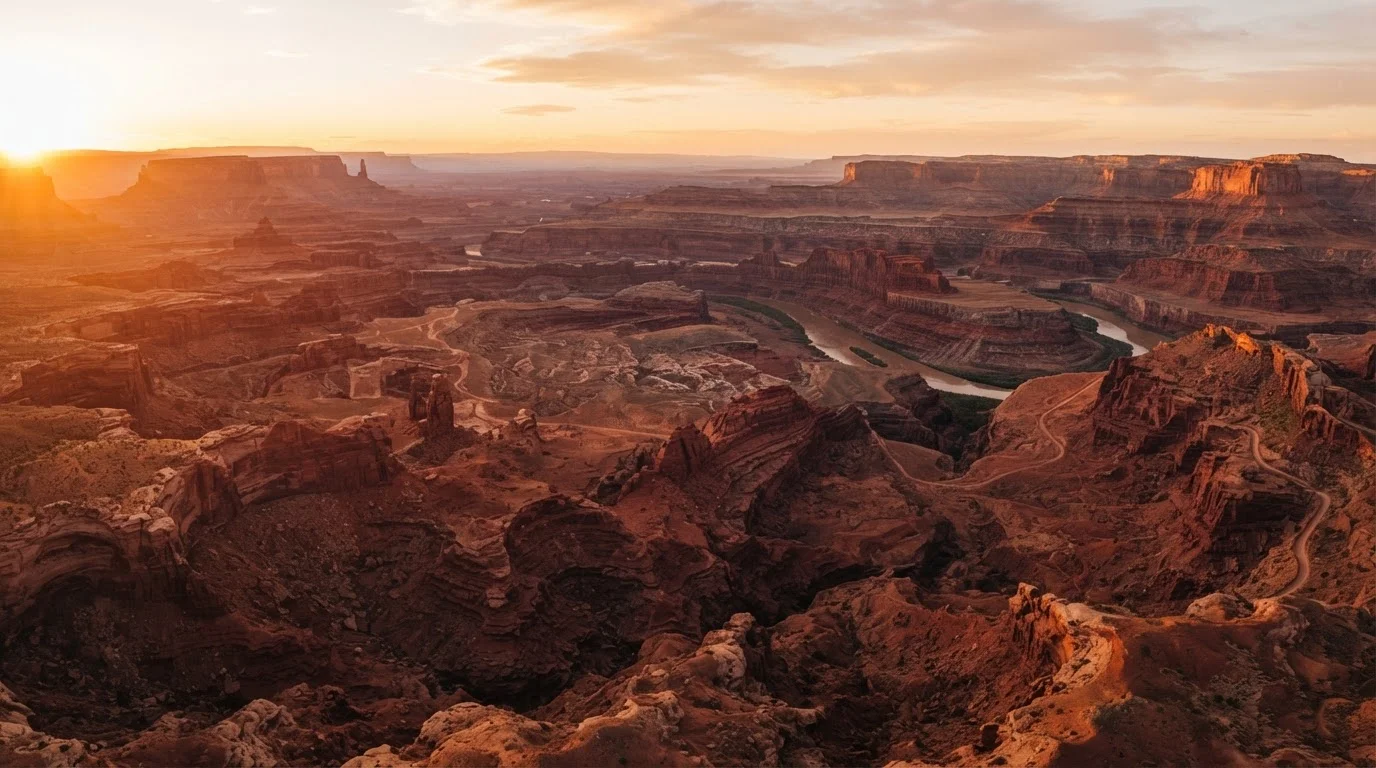
Few American regions fire the imagination quite like the Southwest. Stretching across Arizona, Utah, New Mexico, and Nevada — with edges reaching into Colorado and Texas — this is a place of extremes: searing summer heat, surprising winter snowfall on canyon rims, and a color palette that seems almost too vivid to be real. Red rock towers, endless sagebrush flats, volcanic badlands, and sand dunes larger than city blocks all coexist within a day's drive of each other.
Geologically, the Colorado Plateau dominates the northern stretch, giving rise to the canyon systems that define the region's identity. To the south, the Sonoran and Chihuahuan deserts push into the landscape, hosting saguaro cacti and roadrunners. The Rio Grande carves through New Mexico, threading together cultural communities that have called this valley home for millennia. For travelers who appreciate what sets each national park region apart, the Southwest offers one of the richest contrasts anywhere in the country.
277 miles
Length of the Grand Canyon
The Grand Canyon National Park encompasses over 1.2 million acres along the Colorado River in northwestern Arizona.
17.5M+
Annual visitors to Southwest national parks
Grand Canyon, Zion, and Bryce Canyon together draw tens of millions of visitors annually, according to National Park Service data.
2,000+
Years of Ancestral Puebloan habitation at Chaco
Chaco Culture National Historical Park in New Mexico preserves evidence of occupation spanning roughly 850 BCE to 1150 CE.
Indigenous Cultures and Ancient History
Long before European contact, the Southwest was home to sophisticated civilizations. The Ancestral Puebloans — once called Anasazi, a term many Native scholars consider outdated — built multi-story cliff dwellings at places like Mesa Verde in Colorado and Chaco Canyon in New Mexico. These weren't temporary camps; they were planned communities with astronomical alignments, trade networks stretching to Mesoamerica, and social structures that informed the Pueblo peoples of today.
Navajo Nation, the largest Native American land area in the United States, spans parts of Arizona, Utah, and New Mexico. The Hopi, Zuni, Acoma, and dozens of other nations maintain active cultural traditions throughout the region. Visiting tribal lands, parks, and cultural centers — where permitted and welcomed — offers context that no landscape photo can replicate.
Before visiting any tribal lands or cultural sites, spend fifteen minutes on the relevant nation's official website — many have detailed visitor guidelines that make the experience more respectful and more rewarding for everyone.
Indigenous-run visitor programs often provide interpretive depth unavailable elsewhere, and understanding the protocols in advance prevents unintentional disrespect.
Download offline maps for each park or region before you leave cell range — apps like Gaia GPS or the National Park Service's own app allow full offline functionality in areas with zero signal.
Cell service is genuinely unreliable across large portions of the Southwest, and getting disoriented on unmarked backcountry roads is a common avoidable problem.
Travelers should approach these spaces with genuine respect: follow posted rules, do not photograph sacred sites or ceremonies without permission, and purchase art and crafts directly from Indigenous artisans when possible. Many tribal nations require visitors to obtain permits or hire local guides; verify requirements before you travel.
Iconic Landmarks and Natural Wonders
The Grand Canyon is the obvious headliner, and its scale genuinely defies expectations — no photograph prepares you for standing on the South Rim for the first time. But the Southwest's roll call of wonders extends far beyond it. Zion National Park in Utah channels the Virgin River through soaring Navajo sandstone walls. Bryce Canyon's amphitheaters of hoodoos — tall, thin rock spires — glow pink and orange at sunrise. Arches National Park preserves more natural sandstone arches than anywhere else on Earth.
In New Mexico, White Sands National Park spreads gypsum dunes across 275 square miles, creating an otherworldly white expanse. Monument Valley, straddling the Arizona-Utah border within Navajo Nation, presents the mesa formations that have become shorthand for the American West in film and photography. Saguaro National Park, split into two districts flanking Tucson, protects the only place in the world where the giant saguaro cactus grows wild.
Flash Floods Are a Real Danger
Narrow canyon slot hikes — including the famous Antelope Canyon and The Narrows at Zion — are extremely vulnerable to flash floods triggered by storms miles away. Always check the weather forecast for the entire upstream watershed, not just your immediate location. If skies darken or you hear a roaring sound, move to high ground immediately without waiting to see water.
A well-planned road trip itinerary is arguably the ideal format for the Southwest — distances between parks can be long, and the journey itself through open desert carries its own rewards.
Planning Your Southwest Trip
Spring (March through May) and fall (September through November) offer the most forgiving temperatures for hiking and exploring. Summer brings extreme heat at lower elevations — canyon floors can exceed 110°F — though higher-elevation parks like Bryce Canyon stay cooler. Winter is genuinely underrated: crowds thin dramatically, snow dusts canyon rims for spectacular photography, and accommodation is easier to secure.
Most major Southwest national parks now require timed entry reservations during peak season; check each park's official website for current requirements well before your trip. For road trip planning from start to finish, thinking through your overnight stops early is essential — gateway towns near popular parks fill up fast in peak months.
Travelers new to independent adventures in this region may find it useful to review what first-time solo travelers should know before hitting the road alone. The Southwest's remote stretches reward self-sufficiency.
Book Permits and Reservations Early
Popular Southwest destinations like The Wave in the Paria Canyon-Vermilion Cliffs Wilderness and Antelope Canyon require advance permits that can be competitive or lottery-based. Check the Bureau of Land Management and individual park websites several months ahead. Flexibility with your dates dramatically improves your chances of securing a spot.
Safety, Accessibility, and Practical Considerations
Desert travel carries real risks that enthusiasm alone won't overcome. Dehydration sets in faster than most people expect — carrying more water than you think you need is a consistent recommendation from park rangers. Sun protection, including hats, sunscreen, and UV-protective clothing, matters year-round. Cell service is sparse in rural canyon country; a paper map or downloaded offline map is a practical backup.
Altitude can be a factor too. Flagstaff, Arizona sits above 7,000 feet; parts of the Colorado Plateau exceed 8,000 feet. If you're traveling from sea level, give yourself a day to acclimate before strenuous hikes. Many trails in Zion, the Grand Canyon's inner canyon, and Canyonlands involve significant elevation change and are rated strenuous for good reason.
Accessibility varies widely. Rim trails at the Grand Canyon are paved and wheelchair-accessible in sections; deep canyon hikes are not. Most parks publish detailed accessibility guides on their official sites, making it straightforward to plan around specific needs. For general travel tips that apply across any trip, check resources focused on pacing, preparation, and making the most of what each destination genuinely offers.
Travel conditions, entry requirements, permit systems, and safety advisories can change. Always verify current information with official park and tribal nation sources before your visit.
The content on this site is for informational purposes only and is not a substitute for professional advice. Always consult a qualified professional for guidance specific to your situation.