

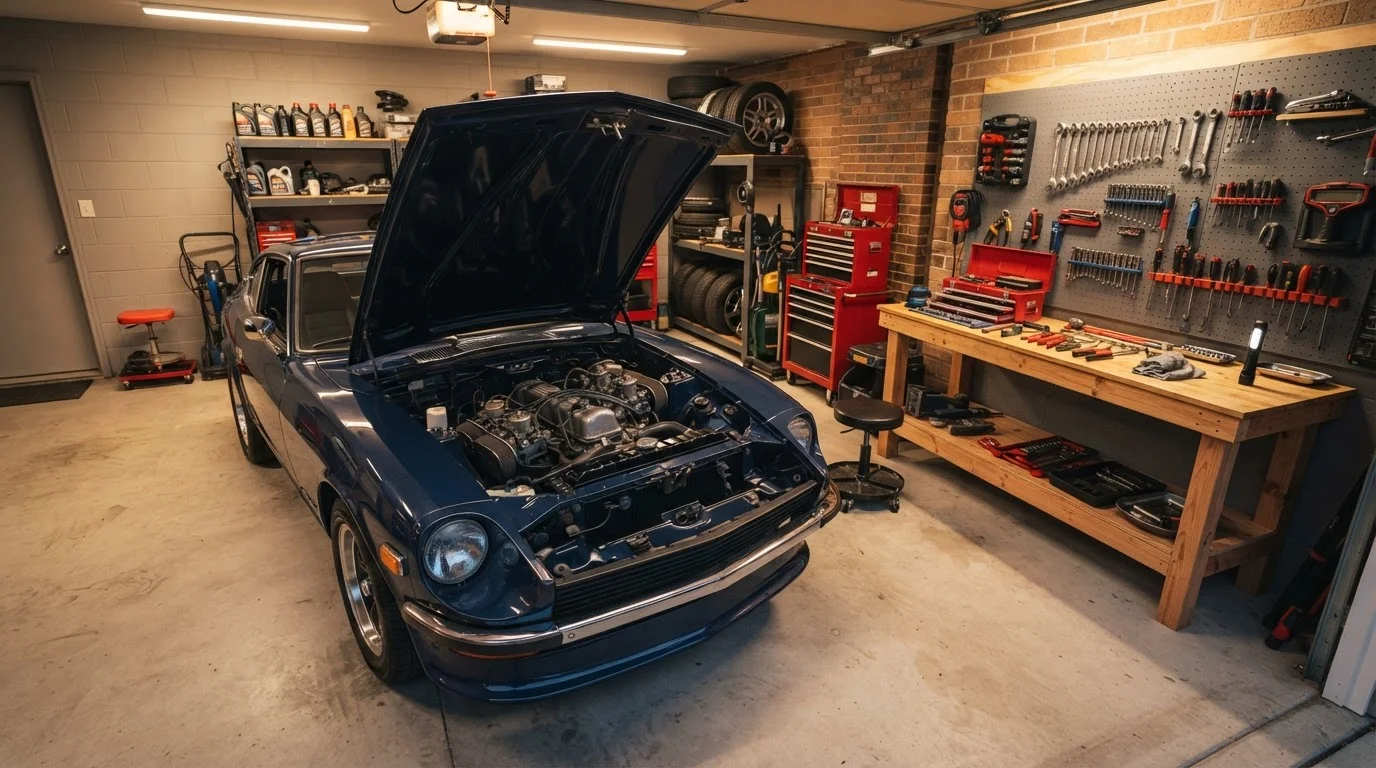
Why Maintenance Matters More Than Most Drivers Realize
A car is one of the most expensive things most Americans own, yet routine upkeep often gets pushed aside until something breaks. The pattern is predictable: small, skipped tasks compound into bigger, costlier repairs. Deferred maintenance rarely stays cheap - an ignored oil change can turn into a damaged engine; a worn brake pad becomes a scored rotor.
This guide covers the full picture of vehicle maintenance - not to overwhelm you, but to help you understand what each system does and when it actually needs attention. If you want the specifics tied to your exact vehicle, your owner's manual is the authoritative source. See our guide on reading your owner's manual maintenance schedule for a walkthrough.
35%
Vehicles with significantly underinflated tires
The National Highway Traffic Safety Administration has estimated that roughly one in three vehicles on U.S. roads has at least one significantly underinflated tire.
$1,200+
Average annual vehicle maintenance and repair cost
AAA's annual driving cost studies consistently place average maintenance and repair expenses for U.S. drivers above $1,200 per year, varying by vehicle type and age.
3-5 years
Typical car battery lifespan
Most automotive sources, including AAA, cite a typical battery service life of three to five years under normal driving conditions.
Engine Oil and Fluids: The Lifeblood of Your Vehicle
Engine oil lubricates moving parts, reduces heat, and carries contaminants away from critical components. When oil degrades or runs low, metal grinds against metal - and the damage adds up fast. Modern vehicles with full synthetic oil often go 7,500 to 10,000 miles between changes, though your owner's manual will confirm the right interval for your engine. The old blanket rule of every 3,000 miles is one of many car care myths that costs drivers money.
Beyond oil, several other fluids deserve regular attention:
- Coolant (antifreeze): Regulates engine temperature. Check the overflow reservoir when the engine is cold; a 50/50 mix of coolant and distilled water is typical.
- Brake fluid: Hydraulic fluid that transfers pressure to your brakes. It absorbs moisture over time, which lowers its boiling point and reduces braking performance.
- Transmission fluid: Keeps gear shifts smooth. Many modern vehicles have sealed transmissions, but fluid condition should still be checked per the manual.
- Power steering fluid and windshield washer fluid: Minor but easy to overlook - low washer fluid is annoying; low power steering fluid can damage the pump.
Quick Monthly Fluid Check
Pop the hood once a month and visually inspect engine oil (dipstick), coolant reservoir, brake fluid reservoir, and windshield washer fluid. Each check takes under two minutes. Catching a slow fluid drop early can prevent a much larger problem down the road.
Check all fluid levels at every other fuel fill-up, or at minimum once a month. It takes five minutes and can flag a leak before it becomes a breakdown.
Tires: Your Only Contact With the Road
Tires affect handling, braking distance, fuel economy, and passenger safety. Despite that, many drivers only think about them when they go flat. Three habits cover most of what tires need:
- Check pressure monthly. Tires lose roughly 1 PSI per month naturally, and more in cold weather. Underinflated tires wear unevenly and reduce fuel efficiency. The correct pressure is on a sticker inside the driver's door jamb - not on the tire sidewall, which shows the maximum pressure.
- Rotate every 5,000-7,500 miles. Front tires wear faster, especially on front-wheel-drive vehicles. Rotation evens out wear and extends the set's life.
- Inspect tread depth. The penny test works: insert a penny into the tread with Lincoln's head pointing down. If you can see the top of his head, the tread is below 2/32 inch - legally worn out in most states. Many safety experts recommend replacing tires at 4/32 inch.
Don't just check tire pressure at the gas station pump - invest in a quality handheld gauge. Pump gauges at stations are frequently inaccurate and rarely calibrated.
Tire pressure directly affects handling and braking. An inaccurate reading gives false confidence and can leave tires dangerously under- or over-inflated.
If your vehicle pulls to one side while braking, get the brakes inspected immediately - don't wait until your next scheduled service.
Brake pull often indicates uneven pad wear or a sticking caliper, both of which worsen quickly under continued driving and compromise stopping ability.
Also watch for uneven tread wear, which often signals an alignment or suspension issue worth addressing separately.
Brakes, Filters, and Belts: The Supporting Cast
These components don't need attention as often as oil or tires, but each has a window - miss it, and you're looking at a significantly larger repair bill.
Brakes
Brake pads typically last 30,000-70,000 miles depending on driving style and conditions. Squealing when braking usually means the wear indicator is telling you it's time. Grinding means the pad is gone and metal is contacting the rotor - a more expensive fix. Have brakes inspected at least annually or whenever you notice changes in stopping feel.
Air Filters
Your vehicle has two: an engine air filter (keeps debris out of the engine) and a cabin air filter (cleans air entering the passenger compartment). Engine filters typically need replacement every 15,000-30,000 miles; cabin filters every 15,000-25,000 miles. Both are usually inexpensive and straightforward to replace.
Timing Belt or Chain
The timing belt (or chain) synchronizes the engine's internal components. Belts are made of rubber and have a manufacturer-specified replacement interval - commonly between 60,000 and 100,000 miles. Ignoring it risks a snapped belt, which can cause severe engine damage. Chains generally last longer but aren't indestructible. Check your owner's manual for your specific engine.
Don't Ignore Your Timing Belt Interval
A broken timing belt can cause what's called 'interference engine damage' - where pistons collide with valves, potentially destroying the engine. Replacement before the manufacturer's recommended interval is far less expensive than the repair that follows a failure. Check your owner's manual for the exact mileage or time interval for your vehicle.
Spark Plugs and Battery
Spark plugs ignite the fuel-air mixture. Standard plugs may need replacement every 30,000 miles; iridium or platinum plugs can go 60,000-100,000 miles. A car battery typically lasts 3-5 years - have it tested if starting feels sluggish, especially before winter.
Building a Maintenance Routine That Actually Sticks
The most effective maintenance plan is one you actually follow. A few practical habits help:
- Keep a simple log. A notebook in the glove box, a notes app, or a free mileage-tracking app all work. Record the date, mileage, and what was done. This also protects resale value - documented maintenance history matters to buyers.
- Tie checks to habits. Monthly fluid checks are easier to remember when linked to the first of the month or the day you pay a regular bill.
- Use your owner's manual as the baseline. Generic maintenance schedules are a starting point, not gospel. Your specific vehicle's requirements may differ.
- Know your mechanic before you need one urgently. Finding a trustworthy shop when you're not under pressure gives you time to ask questions and compare.
Understanding the full cost of vehicle ownership - including maintenance - helps you budget realistically rather than being caught off guard. And if you're new to all of this, our guide to owning your first car covers the broader picture of getting started. For day-to-day habits that keep a car running reliably, see keeping a car in good shape over time.
When to Call a Professional
Many maintenance checks are simple visual inspections any driver can do. But repairs involving brakes, timing components, suspension, or any part of the fuel or exhaust system should generally be handled by a qualified mechanic. If you're unsure whether a task is within your skill level, err on the side of professional service - the safety margin is worth it.
The content on this site is for informational purposes only and is not a substitute for professional advice. Always consult a qualified professional for guidance specific to your situation.