

Why the Sticker Price Is Just the Beginning
When most people shop for a car, they focus on the purchase price or monthly payment. That's understandable — those numbers are front and center. But the sticker price covers only what you pay to drive it off the lot. Everything that comes after adds up to a figure that often surprises new owners.
Industry estimates from sources like AAA have consistently found that the average American driver spends well over $10,000 per year when all ownership costs are tallied. For some vehicle types and driving habits, that number climbs significantly higher. Understanding each cost category in advance is the single most effective way to avoid budget shock.
Just like first-time homebuyers often underestimate what they'll spend beyond the mortgage, car buyers frequently look past the ongoing costs that follow the initial purchase. This guide walks through every major cost category so you can plan accurately.
$10,000+
Average annual cost of vehicle ownership
AAA's annual "Your Driving Costs" study has consistently found total ownership costs exceed $10,000 per year for the average American driver.
15–25%
First-year depreciation loss on new vehicles
According to industry analysis from sources including Edmunds, many new vehicles lose 15–25% of their value within the first 12 months.
$5,600+
Interest paid on a typical 60-month auto loan
On a $30,000 loan at approximately 7% interest over 60 months, a borrower pays roughly $5,600 in interest charges over the loan's life.
Depreciation: The Silent Budget Drain
Depreciation — the loss in a vehicle's value over time — is the largest single ownership cost most drivers never think about. A new car can lose roughly 15–25% of its value in the first year alone, according to industry data from sources like Edmunds. By year five, many vehicles have lost nearly half their original purchase price.
This matters even if you never plan to sell, because depreciation represents real money that doesn't come back. If you do sell or trade in, the gap between what you paid and what you receive is money permanently out of your pocket.
Choosing a vehicle with a strong resale value — typically determined by reliability reputation, demand, and brand — can meaningfully reduce your total depreciation hit. If you're weighing ownership against leasing, depreciation is a core factor in that comparison. See how leasing shifts some depreciation risk to understand both sides.
Fuel, Insurance, and Registration Costs
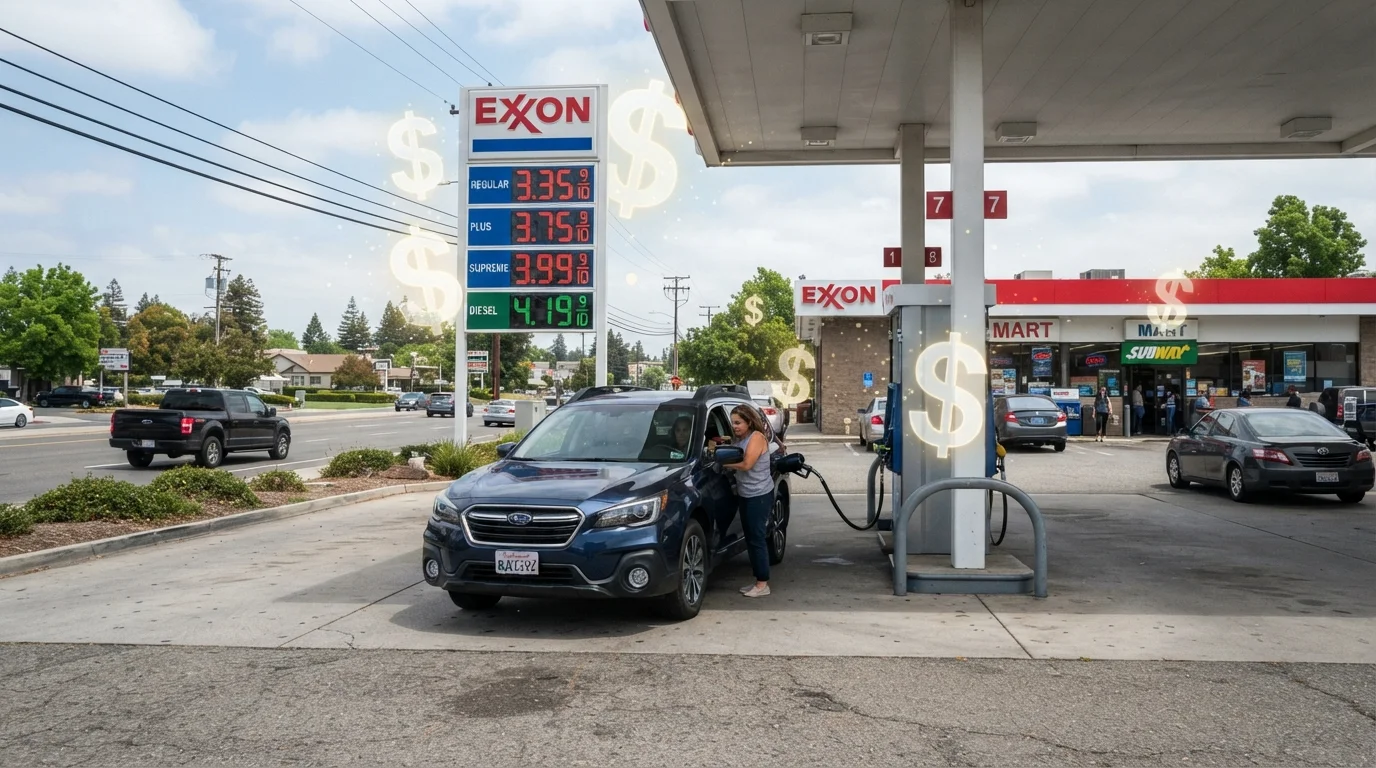
Fuel is the most visible recurring cost. Your annual fuel spend depends on how much you drive, your vehicle's fuel efficiency (measured in miles per gallon or MPG), and local gas prices — all of which fluctuate. A driver covering 15,000 miles annually in a vehicle averaging 25 MPG will use 600 gallons per year; at $3.50 per gallon, that's $2,100 annually.
Auto insurance is legally required in nearly every U.S. state and varies widely based on your driving record, location, vehicle type, coverage level, and even your credit score in many states. Annual premiums can range from under $1,000 to well over $2,500 for the same driver depending on those variables.
Registration and taxes are easy to overlook but recur every year. Many states charge annual registration fees based on vehicle value or weight, and some assess personal property taxes on vehicles. These costs vary significantly by state. For a full breakdown of what's typically required, see our guide on vehicle registration from start to finish.
Shop Insurance Before You Buy
Get insurance quotes for a vehicle before you commit to buying it, not after. Premiums vary significantly by model, trim level, and even color in some cases. A quote takes about 15 minutes and can reveal a cost difference of hundreds of dollars per year between two vehicles you're considering.
Maintenance and Unexpected Repairs
Routine maintenance — oil changes, tire rotations, brake inspections, air filters, wiper blades — adds up to several hundred dollars per year under normal conditions. Newer vehicles under warranty reduce some of this burden early on, but as a vehicle ages, repair frequency and cost tend to rise.
Beyond routine upkeep, unexpected repairs are the wildcard in any car ownership budget. A single major repair — transmission work, a new catalytic converter, replacing a timing belt — can easily run $1,000–$4,000 or more. Most financial planners suggest keeping a dedicated vehicle repair fund separate from your general emergency savings.
Staying on top of scheduled maintenance is the most reliable way to reduce the likelihood of expensive breakdowns. Our comprehensive car maintenance overview covers what to expect across a vehicle's entire lifespan — from tires and brakes to engine health and fluids.
Track your actual maintenance spending in a simple spreadsheet or notes app from day one. Having a clear record makes it much easier to spot patterns and budget accurately for future years.
Many drivers underestimate maintenance costs because they forget smaller expenses between major services. A running log removes the guesswork.
Before buying, look up the vehicle's average repair costs using resources like Consumer Reports or owner forums. Some models have expensive quirks that don't show up until years three or four.
Repair frequency and parts costs vary enormously by make and model; factoring this in before purchase can save significantly over the ownership period.
Financing Costs and Interest
If you finance a vehicle rather than paying cash, the interest paid over the loan term is a real cost of ownership — one that's easy to underestimate when you're focused on the monthly payment. On a $30,000 loan at 7% interest over 60 months, you'd pay roughly $5,600 in interest alone by the end of the term.
Loan term length matters too. Stretching a loan to 72 or 84 months lowers monthly payments but increases total interest paid and can leave you "underwater" — owing more than the car is worth — for a longer period. Understanding your financing options before you sign is essential. Our article on financing through a dealership versus your own bank explains how these approaches differ and what to watch for in either case.
Long Loan Terms Can Leave You Underwater
A 72- or 84-month auto loan reduces your monthly payment, but you may owe more than the car is worth for much of that period. If the vehicle is totaled or you need to sell early, you could face a gap between what insurance pays and what you still owe on the loan — sometimes called "negative equity." Consider shorter loan terms or a larger down payment to reduce this risk.
How to Estimate Your True Annual Cost
To get a realistic picture of what a specific vehicle will cost you annually, add up these categories: estimated depreciation, fuel costs based on your typical mileage, insurance premiums, registration fees, routine maintenance budget, a repair reserve, and monthly financing costs multiplied by 12 (if applicable).
For many drivers, this exercise reveals that two vehicles with similar sticker prices can have very different true ownership costs — based on fuel efficiency, insurance rates for that model, and expected maintenance frequency.
If you're a first-time owner, our guide for new car owners covers the practical steps that come right after the purchase, including titling, insurance setup, and building your first maintenance routine. And if your vehicle's total costs start to outpace its value, our framework for deciding whether to sell, trade in, or keep can help you think it through clearly.
The goal isn't to discourage car ownership — for most Americans, a vehicle is a practical necessity. The goal is to help you walk into that commitment with accurate numbers, not just a monthly payment figure.
The content on this site is for informational purposes only and is not a substitute for professional advice. Always consult a qualified professional for guidance specific to your situation.